



When Spirituality Masks Pain
Interventions for Spiritual Bypassing and the Role of Religious Coping
- Speaker:
- Richard Sears, PsyD, PhD, MBA, ABPP
- Duration:
- 1 Hour 13 Minutes
- Language:
- Presented in EN, subtitles in EN and FR, handouts in EN and FR
- Copyright:
-
Dec 04, 2025
- Product Code:
- POS150538
- Media Type:
- Digital Seminar

Description
Spirituality can ground clients in strength and meaning – but it can also be used to sidestep unresolved emotions, trauma, or psychological work. Dr. Richard Sears, a clinical psychologist, Zen teacher, and internationally recognized mindfulness expert, will show you how to honor clients’ beliefs while guiding them toward honest, present, and compassionate engagement with their pain.
You’ll learn to:
- Recognize when spirituality functions as avoidance rather than growth
- Address the three most common bypassing patterns with targeted interventions
- Integrate mindfulness, values, and evidence-based strategies to support genuine healing
Credit
Speaker
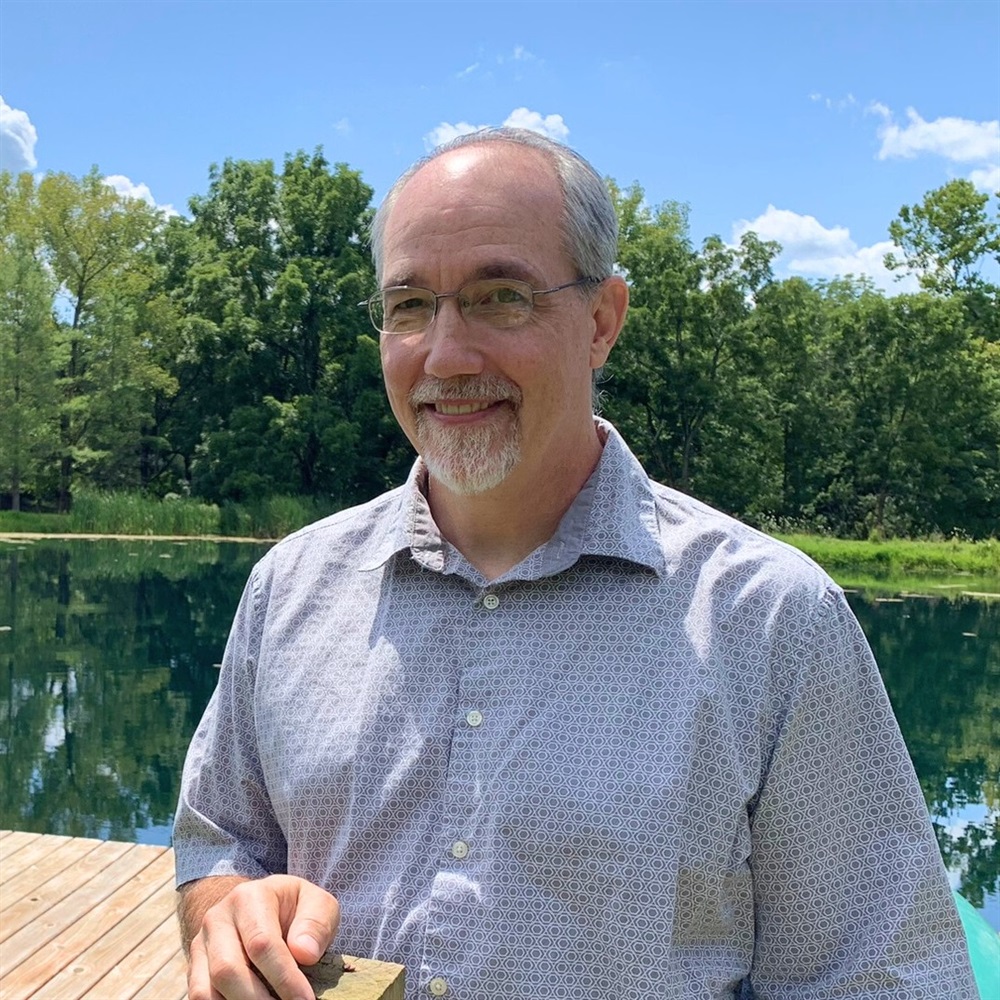
Richard Sears, PsyD, PhD, MBA, ABPP Related seminars and products
Richard Sears, PsyD, PhD, MBA, ABPP, is a licensed psychologist in Cincinnati, Ohio, board certified in clinical psychology by the American Board of Professional Psychology (ABPP), runs a private psychology and consultation practice, and is the director of the Center for Clinical Mindfulness & Meditation. He has run hundreds of mindfulness groups and was lead clinician in the first brain scan study involving mindfulness with children and adolescents. He is also an adjunct professor in the University of Cincinnati psychology department, clinical research faculty at the UC Center for Integrative Health and Wellness, volunteer professor of psychiatry & behavioral neurosciences at the UC College of Medicine, and a former research/psychologist contractor with the Cincinnati VA Medical Center.
His most recent books include ACT with Anxiety (PESI); The ACT Flip Chart (PESI); Cognitive Behavioral Therapy & Mindfulness Toolbox (PESI); Mindfulness: Living Through Challenges and Enriching Your Life in the Moment (Wiley-Blackwell); Building Competence in Mindfulness-Based Cognitive Therapy (Routledge); and Mindfulness-Based Cognitive Therapy for PTSD (Wiley-Blackwell).
Dr. Sears is a sixth-degree black belt in Ninjutsu, and once served as a personal protection agent for the Dalai Lama with his teacher, Stephen K. Hayes. He has studied Eastern Wisdom for over 40 years, receiving ordination in three traditions, and transmission as a Zen master.
Speaker Disclosures:
Financial: Dr. Richard Sears maintains a private practice and has employment relationships with the University of Cincinnati College of Medicine, the University of Cincinnati for Integrative Health and Wellness, Alliance Integrative Medicine, and Wright State University School of Professional Psychology. He receives compensation as a consultant and royalties as a published author. Dr. Sears receives a speaking honorarium, recording, and book royalties from PESI, Inc. He has no relevant financial relationships with ineligible organizations.
Non-financial: Dr. Richard Sears is a member of the Association for Contextual Behavioral Science, a diplomate of the American board of Professional Psychology, and a fellow with the Academy of the American Board of Clinical Psychology. He is a peer reviewer for Mindfulness and a book reviewer for John Wiley & Sons, Inc, and Routledge. He is the director of Center for Clinical Mindfulness and Meditation.

Additional Info
Program Information
Questions?Visit our FAQ page at https://www.pesicanada.ca/faq or contact us at https://www.pesicanada.ca/contact-us.
Access for Self-Study (Non-Interactive)
Access never expires for this product.
For a more detailed outline that includes times or durations of time, if needed, please contact cepepesi.com
Objectives
By the end of this training, participants will be able to:
- Identify clinical indicators of spiritual bypassing.
- Describe three common bypassing patterns and interventions.
- Integrate mindfulness and evidence-based approaches to support genuine healing.
Outline
Introduction & Definition
- What spiritual bypassing is and why it matters in treatment
Recognizing Avoidance
- Clinical signs that spirituality is masking unresolved pain
Bypassing Patterns
- Positive-only focus, over-intellectualization, premature transcendence
Clinical Interventions
- Practical strategies to address avoidance while respecting beliefs
Mindfulness & Evidence-Based Ttools
- Using ACT, CBT, and compassion practices to deepen authentic healing
Ethical & Cultural Considerations
Clinical Applications: Case vignettes and examples to translate strategies into practice
Target Audience
- Counselors
- Social Workers
- Marriage & Family Therapists
- Psychologists
- Psychotherapists
- Case Managers
- Physicians
- Mental Health Professionals
Reviews
Satisfaction Guarantee
Your satisfaction is our goal and our guarantee. Concerns should be addressed to info@pesicanada.com.
Please wait ...