


Personality Disorder Workshop: The Complete Clinical Toolkit with DBT, CBT, Schema Therapy and More
- Speaker:
- Katelyn Baxter-Musser, LCSW, C-DBT
- Duration:
- 12 Hours 09 Minutes
- Language:
- Presented in EN, subtitles in EN and FR, handouts in EN and FR
- Copyright:
-
Aug 08, 2024
- Product Code:
- POS059908
- Media Type:
- Digital Seminar

Description
Boundary management issues, transference and countertransference dynamics, intense emotions, and drama.
Clients with personality disorders can push you to confront your own limitations and triggers…even make you question your own abilities as a therapist.
But it doesn’t have to be this way.
This 2-day training is specifically designed to provide you with the skills, techniques, and insights you need to tackle cases with clients who have BPD, narcissistic personality disorder, avoidant personality, and more.
You’ll join expert therapist Katelyn Baxter-Musser. She’s trained thousands of therapists on a variety of clinical topics – and she’s helped clients with personality disorders achieve positive treatment outcomes for over a decade.
And now she’ll share all she’s learned to provide you a framework so you can confidently and effectively treat these clients… whether you’re already working with them or tackling your very first case.
Katelyn will make treating clients with any of the 10 personality disorders feel more doable than you ever thought possible, complete with hands-on exercises and real case studies, highlighting the most effective and evidence-based clinical tools in the field.
When you register, you’ll get:
- Tools from CBT, DBT, Schema Therapy, and other top treatments
- Details on working with trust, attachment issues, and fear of abandonment
- Boundary management strategies
- Practical skills to improve regulation and expression of intense emotions
- Real-life case studies that make what you’ve learned more accessible
- Safety plans for self-harming, suicidality, and substance use
- And much more!
Don’t miss this chance to confidently work with personality-disordered clients.
Register now!
Credit
Speaker
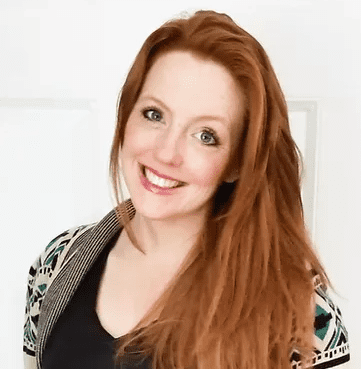
Katelyn Baxter-Musser, LCSW, C-DBT Related seminars and products
Katelyn Baxter-Musser, LCSW, C-DBT is a licensed clinical social worker in private practice in Maine where her areas of expertise include domestic violence, abuse, trauma, PTSD, depression, anxiety, grief, personality disorders and relationship issues.
Her clinical experience includes working for ten years in various roles as a case manager, child and family therapist, and trauma therapist for several agencies and Native American reservations. Ms. Baxter-Musser served as the Trauma Healing Services Clinical Coordinator for La Frontera Arizona, a non-profit organization dedicated to providing behavioral health counseling, crisis intervention and support to families and individuals facing domestic violence, abuse, hate crimes and other issues.
Ms. Baxter-Musser is certified in Dialectical Behavioral Therapy and EMDR. She is a member of the National Association of Social Workers, the American Academy of Experts in Traumatic Stress, the National Center for Crisis Management and EMDRIA. She sits on the EMDRIA Standards and Training Committee and part of the Southern Maine EMDR Coalition.
Speaker Disclosures:
Financial: Katelyn Baxter-Musser is the owner, operator, trainer of Inner Awakening Counseling & Consulting and receives royalties a published author. She receives a speaking honorarium and recording royalties from Psychotherapy Networker and PESI, Inc. She has no relevant financial relationships with ineligible organizations.
Non-financial: Katelyn Baxter-Musser is a member of EMDRIA, the National Association of Social Workers, the American Academy of Experts in Traumatic Stress, the National Center for Crisis Management, and the International Society for the Study of Trauma and Dissociation.
PESI and Katelyn Baxter-Musser are not affiliated or associated with Marsha M. Linehan, PhD, ABPP, or her organizations.
Additional Info
Program Information
Access for Self-Study (Non-Interactive)Access never expires for this product.
For a more detailed outline that includes times or durations of time, if needed, please contact cepepesi.com
Questions?
Visit our FAQ page at https://www.pesicanada.ca/faq or contact us at https://www.pesicanada.ca/contact-us.
Objectives
- Identify the core features and prevalence rates of the 10 personality disorders to facilitate accurate identification.
- Analyse the conceptual difference between personality traits and disorders to inform diagnostic assessments.
- Understand the impact of invalidating environments on the development and perpetuation of personality disorders.
- Evaluate the efficacy assessment tools, such as SCID-5 and MMPI-2, in their application to diagnosing personality disorders.
- Demonstrate an understanding of the characteristics and traits associated with Cluster A, B and C personality disorders to support appropriate clinical interventions.
- Analyse the limitations of pharmacotherapies in consistently reducing the severity of BPD symptoms, considering findings on specific symptom domains.
- Develop personalised treatment plans that target specific emotional regulation strategy deficits using DBT.
- Formulate treatment plans that incorporate Schema Therapy techniques and principles for symptom reduction and well-being improvement.
- Assess the benefits of group psychotherapy including symptom alleviation and improvements in comorbid conditions.
- Implement a multimodal treatment approach that addresses complex symptomatology using CBT, DBT and Schema Therapy.
- Implement the use of safety plans in mitigating self-harming behaviours, suicidality, and substance use in Cluster B clients.
- Demonstrate an understanding of the importance of considering age and developmental stage in the recognition and management of personality disorders to enhance patient care across diverse populations.
- Understand the significance of establishing and maintaining professional boundaries to safeguard against burnout and maintain ethical practice standards.
Outline
Personality Disorders in Clinical Practice
- Deconstructing misconceptions, professional biases, and stigma
- Prevalence and presentation
- Distinguishing between personality traits and personality disorders
- Co-occurring disorders, SUDs and suicidality
- Invalidating environments and their impact on PDs
- Exploring the link between attachment and personality disorders
- Neurobiology and personality disorders
- PDs across the lifepsan
- Risk and protective factors
Assessment Tools and Getting an Accurate Diagnosis
- Screening and assessment tools
- SCID-5
- Personality Disorder Interview-IV
- Standardised Assessment of Personality – Abbreviated Scale
- MMPI-2
- Critical factors for accurate diagnosis
- Personality disorder cluster characteristics and core features
- Avoiding misdiagnosis: surface and core structure
- Culture influence and personality disorders
- Alternative DSM-5 Model for Personality Disorders
Evidence-Based Treatments for Personality Disorders: How CBT, DBT, Schema Therapy and More Fit into Your Treatment Plan
- CBT for healthier coping strategies and problem-solving skills
- DBT tools to regulate emotions and improve interpersonal relationships
- Schema Therapy: challenging maladaptive patterns and core beliefs
- MI, EMDR and other modalities
- Medications and personality disorders
- Integrating treatment approaches for each cluster
- Research, risks and limitations
- Indications and contraindications
Cluster A Personality Disorders: Clinical Interventions for Treating Paranoid, Schizoid, and Schizotypal Clients
- Empty chair techniques to help clients process anger
- DBT skills training for problem solving and assertiveness
- Exercises to help clients test their suspicions and question their thoughts
- Schema therapy techniques to help identify negative thoughts
- Group therapy to improve communication and interpersonal skills
- Mindfulness-based stress reduction as a mean of coping with stressors
- Overcoming transference reactions
Cluster B Personality Disorders: Best Practices for Treating Antisocial, Borderline, Histrionic and Narcissistic Clients
- Interventions to increase sense of personal responsibility for conduct
- Working toward appropriate sharing of feelings and vulnerabilities
- Managing deceptiveness in therapy
- Exploring history of conflict with authority and themes of abandonment
- Safety plan for self-harming, suicidality and substance use
- CBT strategies to shift from catastrophising thoughts
- DBT interpersonal effectiveness skills for aggressiveness
- Schema therapy for distorted thoughts of grandiosity and entitlement
- Overcoming transference reactions
Cluster C Disorders: Working with Avoidant, Obsessive-Compulsive and Dependent Clients
- Keys to forming a therapeutic alliance
- REBT to identify and replace distorted perceptions
- Role playing relevant social skills
- Identify, explore and process thoughts of shame
- Working with hypercritical schemas
- Exposure therapy to reduce perfectionism
- Assess for clients’ dependency patterns
- Activities that boost self-esteem and encourage independence
- Therapist countertransference
Maintaining Professional Boundaries: Decreasing Burnout and Practicing Self-Care
- Common signs of burnout
- Setting boundaries
- Professional Quality of Life Scale
- 5-minute self-care exercises
Target Audience
- Counsellors
- Social Workers
- Psychologists
- Addiction Counsellors
- Marriage & Family Therapists
- Case Managers
- Nurses Physicians
- Other Mental Health Professionals
Reviews
Satisfaction Guarantee
Your satisfaction is our goal and our guarantee. Concerns should be addressed to info@pesicanada.com.
Please wait ...