



Narrative Therapy Certificate Training
Clinical Interventions for Trauma, Grief, Depression, Relationships and Identity Development
- Speaker:
- Shama Panjwani, PhD
- Duration:
- Approx 12 hours
- Language:
- Presented in EN
- Copyright:
-
Jan 28, 2027
- Product Code:
- POS151120
- Media Type:
- Digital Seminar - Also available: Live Webinar

Description
Get a Comprehensive Toolkit to Help Clients Step Outside of the Story That’s Defining Them
- Complete step-by-step training
- Easy-to-use externalizing, re-authoring, and identity-based interventions
- Turn “I’m not good enough” from a fixed fact into a story that can be rewritten
- Techniques to rebuild a client’s sense of agency and reconnect them to hope and purpose
- Includes demonstrations, scripts, exercises, and more
“I’m broken.” “I’ll never get past this.” “This is just who I am.”
Clients arrive with stories already written about themselves – stories that have hardened into identity.
And let’s be honest, this is one of the toughest parts of your job: if a client is certain this is simply who they are, how do you open them to the possibility of anything better.
That’s why you need Narrative Therapy in your clinical toolkit …
… because it helps clients step outside the story that’s defining them, rediscover their strengths, and author new ways of being – on their own terms.
Now you can master this powerful approach, gain a full set of interventions for trauma, grief, depression, anxiety, life transitions, and relationships – and earn your certificate.
You’ll watch Dr. Shama Panjwani, clinician and professor who’s used Narrative Therapy to help countless clients rewrite the stories holding them back. Step by step, she’ll make it easy to use these tools with confidence in your very next session – and:
- Help clients see the problem as something they have, not something they are
- Turn “I’m not good enough” from a fixed fact into a story that can be rewritten
- Surface the overlooked moments of strength your client forgot were there
- Rebuild a client’s sense of agency and reconnect them to hope and purpose
- Reframe a painful past as the foundation for the future they want
You’ll walk away ready to use Narrative Therapy tools immediately – even with no prior experience.
PLUS we’re so sure it’ll be a valuable addition to your toolkit that we back it with our 100% satisfaction guarantee.
So don’t wait. Purchase now!
Credit
Speaker
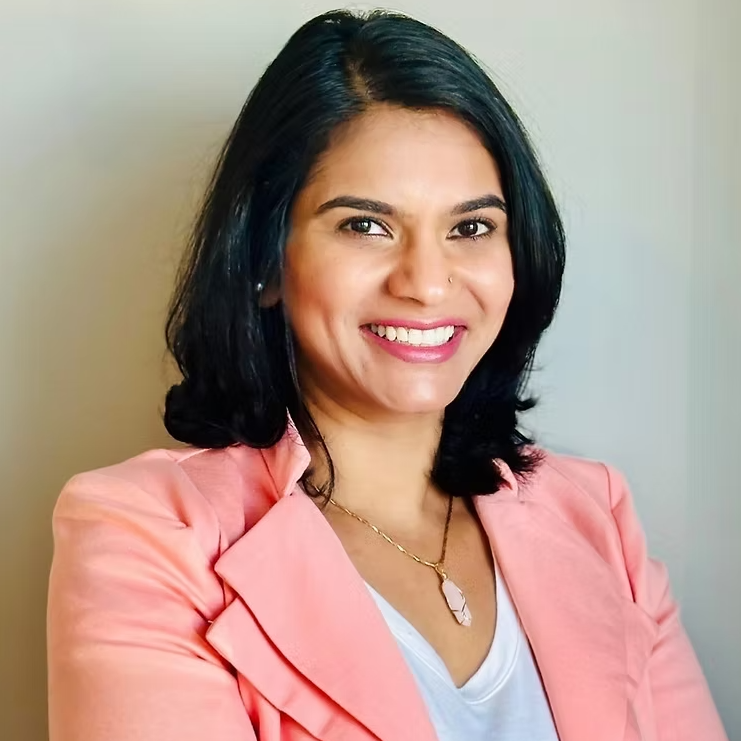
Shama Panjwani, PhD Related seminars and products
Dr. Shama Panjwani is a certified and licensed professional counselor and expert in trauma-informed care specializing in attachment, immigration, cultural, and intergenerational traumas.
Dr. Panjwani serves as a core faculty member at Keiser University and is the founder of SoHolisticEnergy Counseling & Consultation, LLC, where she integrates holistic wellness with evidence-based practices to provide culturally responsive care and consults on Holistic Wellness and Diversity, Equity, and Inclusivity (DEI). With more than eleven years of experience, she has developed a reputation for leading impactful workshops that expand access to effective, culturally competent mental health care – particularly within the marginalized communities.
A graduate of Mercer University with a PhD in counselor education, Dr. Panjwani’s research, presentations and publications explore mental health stigma, trauma, social justice, and multicultural counseling. She has presented nationally and published on topics including immigration and acculturation, intergenerational trauma, crisis counseling, psychedelic-assisted therapy, holistic wellness and leadership development in higher education and clinical settings.
Dr. Panjwani’s own immigration story – moving from India to the US at age nine, navigating DACA status, and earning her green care while completing her PhD – deeply informs her work. This lived experience fuels her passion for creating pathways to healing for marginalized and immigrant communities.
Speaker Disclosures:
Financial: Dr. Shama Panjwani has employment relationships with Keiser University and SoHolistic Energy Counseling and Consultation, LLC. She receives a speaking honorarium from PESI, Inc. She has no relevant financial relationships with ineligible organizations.
Non-financial: Dr. Shama Panjwani is a member of the American Counseling Association, the National Board of Certified Counselors, the Association of Counselor Education and Supervision, and the Counselors for Social Justice.
Additional Info
Program Information
Access for Self-Study (Non-Interactive)Access never expires for this product.
For a more detailed outline that includes times or durations of time, if needed, please contact cepesi@pesi.com.
Questions?
Visit our FAQ page at https://www.pesicanada.ca/faq or contact us at https://www.pesicanada.ca/contact-us.
Objectives
- Examine the theoretical foundations and evidence base of Narrative Therapy.
- Apply narrative-informed assessment and case conceptualization.
- Utilize externalization and re-authoring interventions.
- Apply Narrative Therapy techniques to trauma, grief, anxiety, depression, and relationship concerns.
- Integrate Narrative Therapy into existing treatment frameworks.
- Apply culturally responsive and ethically sound narrative practices.
- Integrate culturally responsive and social justice-oriented principles into Narrative Therapy.
- Apply Narrative Therapy across a variety of clinical settings.
- Identify and deconstruct problem-saturated stories, dominant narratives, and sociocultural influences.
- Utilize narrative interviewing techniques to elicit unique outcomes, resilience stories, preferred identities, and alternative life narratives.
- Choose narrative interventions that strengthen client agency, meaning-making, and sustainable change.
- Use specialized Narrative Therapy techniques, including definitional ceremonies, therapeutic letters, resilience interviews, memory interviews, and legacy projects.
Outline
Foundations of Narrative Therapy
- History and development
- Michael White and David Epston
- Social constructionism
- Narrative identity
- The role of language and meaning
Narrative Assessment and Case Conceptualization
- Listen for stories and themes
- Identify dominant narratives
- Problem-saturated stories
- Cultural influences on identity
- Narrative assessment framework
- Practice activity
Externalize Conversations
- Theory and rationale
- Name and personify problems
- Mapping the effects of problems
- Explore client agency
- Common mistakes and challenges
- Practice activity: Guided role-plays videos
Re-Authoring Conversations
- Unique outcomes
- Sparkling moments
- Preferred identity claims
- Thickening alternative stories
- Build sustainable change
- Practice Activity: Skills practice
Narrative Therapy with Diverse and Marginalized Populations
- Power, privilege, and oppression
- Cultural narratives
- Identity development
- Social justice applications
- Cultural responsiveness and ethical implications
Narrative Therapy for Trauma
- Trauma and identity fragmentation
- Narrative exposure principles
- Restoring agency
- Witnessing resilience
- Trauma-informed narrative practice
- Research, risks, and limitations
Techniques Toolbox
- Resilience interviews
- Trauma re-authoring
- Identity restoration conversations
- Definitional ceremonies
Narrative Therapy for Grief and Loss
- Continuing bonds theory
- Meaning reconstruction
- Identity after loss
- Grief narratives across cultures
- Research, risks, and limitations
Techniques Toolbox
- Legacy projects
- Memory interviews
- Therapeutic letters
- Values reconstruction
Narrative Therapy for Anxiety and Depression
- Problem-saturated stories
- Internalized criticism
- Anxiety narratives
- Hopelessness and depression
- Build preferred futures
- Research, risks, and limitations
Techniques Toolbox
- Influence mapping
- Future authoring
- Strength interviews
- Identity reconstruction
Narrative Therapy for Relationships and Families
- Relational narratives
- Family identity stories
- Couple narratives
- Conflict externalization
- Collaborative re-authoring
Techniques Toolbox
- Relationship mapping
- Family storytelling
- Shared values conversations
- Externalized conflict interventions
Target Audience
- Counsellors
- Social Workers
- Marriage & Family Therapists
- Psychologists
- Case Managers
- Addiction Counsellors
- Registered Psychotherapists
- Psychiatric Nurse Practitioners
- Other Mental Health Professionals



Reviews
Satisfaction Guarantee
Your satisfaction is our goal and our guarantee. Concerns should be addressed to info@pesicanada.com.
Please wait ...