


Intensive Trauma Treatment Certification Workshop: EMDR, CBT and Somatic-Based Interventions to Move Clients from Surviving to Thriving
- Speaker:
- Arielle Schwartz, PhD, CCTP-II, E-RYT, EMDR-C
- Duration:
- 12 Hours 42 Minutes
- Language:
- Presented in EN, subtitles in EN and FR, handouts in EN and FR
- Copyright:
-
Feb 27, 2025
- Product Code:
- POS055515
- Media Type:
- Digital Seminar

Description
Transform your practice with this intensive Certification Workshop that will provide you with effective strategies and interventions from EMDR, CBT, somatic approaches, and narrative therapy so you can take your trauma treatment to the next level!
You’ll learn how to properly assess clients, effectively stabilise them in preparation for treatment, help them safely reprocess traumatic memories, and develop the resources they need to achieve and maintain recovery. You’ll also get detailed guidance on overcoming scenarios involving anger, resistance, and suicidality that can leave you exhausted and uncertain of how to move your most challenging clients forward.
Best of all, upon completion of this live training, you’ll be eligible to become a Certified Clinical Trauma Professional (CCTP) through Evergreen Certifications. Certification lets colleagues, employers, and clients know that you’ve invested the extra time and effort necessary to understand the complexities of trauma counselling. Professional standards apply. Visit ca.evgcert.com/cctp for details.
Purchase today, get the proven tools and techniques needed to end the suffering of your clients and move them from surviving to thriving!
This course is not affiliated with EMDRIA and does not qualify toward EMDRIA credits or training.
CERTIFICATION MADE SIMPLE!
- No hidden fees – PESI pays for your application fee (a $99.99 USD value)*!
- Simply complete this live event and the post-event evaluation included in this training, and your application to be a Certified Clinical Trauma Professional through Evergreen Certifications is complete.*
Attendees will receive documentation of CCTP designation from Evergreen Certifications 4 to 6 weeks following the program.
*Professional standards apply. Visit ca.evgcert.com/cctp for professional requirements.
Credit
Speaker
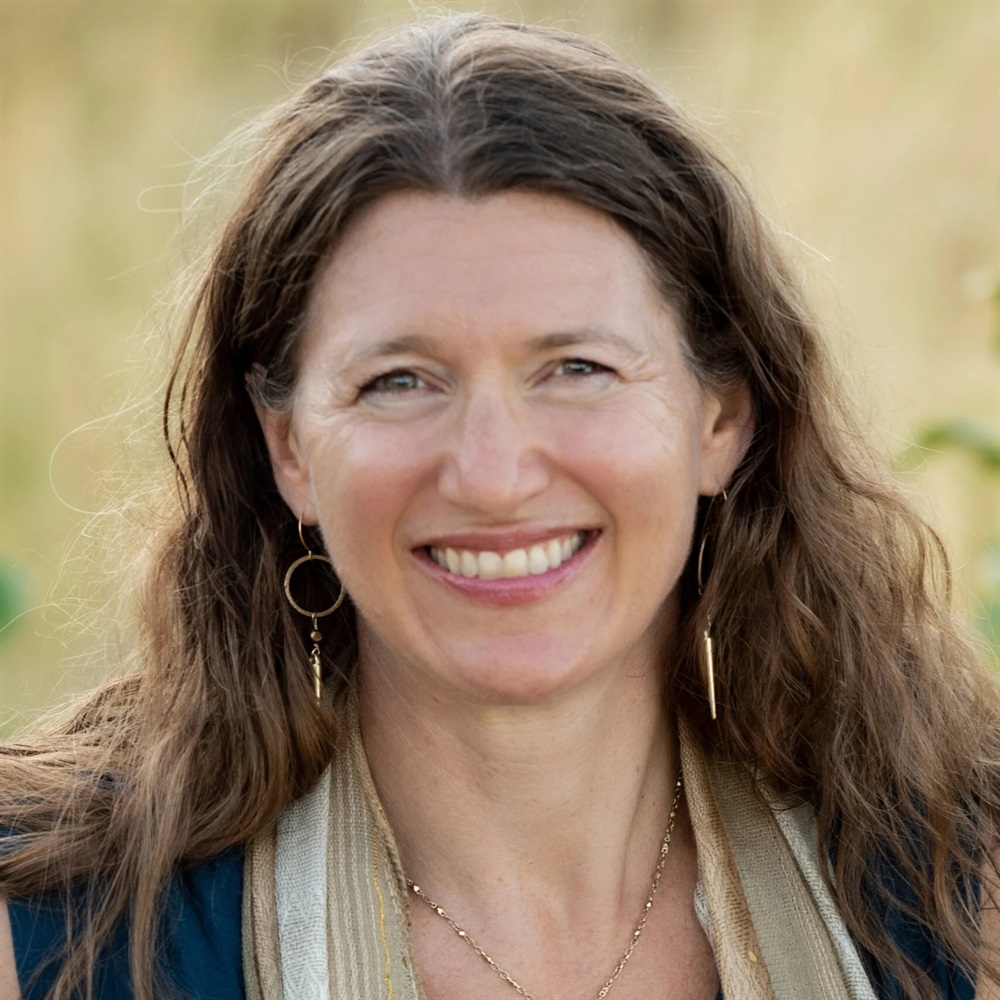
Arielle Schwartz, PhD, CCTP-II, E-RYT, EMDR-C Related seminars and products
Arielle Schwartz, PhD, CCTP-II, E-RYT, EMDR-C, is a licensed clinical psychologist, certified complex trauma professional, EMDR Consultant, and Kripalu yoga teacher. She is an internationally sought-out speaker, leading voice in the field of trauma recovery, and the author of eight books including The Complex PTSD Workbook, EMDR Therapy and Somatic Psychology, The Post-Traumatic Growth Guidebook, and Applied Polyvagal Theory in Yoga.
As the founder of the Center for Resilience Informed Therapy, her work is rooted in the positive psychology movement, which is focused on enhancing resources and fostering growth. She offers an integrative, mind-body approach to therapy that includes relational therapy, somatic psychology, EMDR therapy, parts work therapy, and therapeutic yoga for trauma. Praised by Dr. Stephen Porges, Arielle specializes in applying his polyvagal theory, which focuses on addressing imbalances within the autonomic nervous system that underlie most mental and physical health conditions. Her work can be found at the Shift Network, Sounds True, Psychotherapy Networker, Embody Lab, Art of Living, Omega Institute, and more.
Speaker Disclosures:
Financial: Dr. Arielle Schwartz maintains a private practice, has an employment relationship with Integrative Psychiatry Institute and receives compensation as a yoga instructor. She receives royalties as a published author and receives compensation as an international presenter and a yoga instructor. Dr. Schwartz is a paid consultant for Evergreen Certifications. She receives speaking honorarium, recording, and book royalties from PESI, Inc. She has no relevant financial relationships with ineligible organizations.
Non-financial: Dr. Arielle Schwartz is a member of the American Psychological Association and the Yoga Alliance.
Additional Info
Program Information
Access for Self-Study (Non-Interactive)Access never expires for this product.
For a more detailed outline that includes times or durations of time, if needed, please contact cepesi@pesi.com.
Questions?
Visit our FAQ page at https://www.pesicanada.ca/faq or contact us at https://www.pesicanada.ca/contact-us.
Objectives
- Describe the brain regions involved in trauma.
- Communicate the clinical implications of the freeze response in trauma treatment.
- Establish how clinicians can assess for simple, complex, and intergenerational trauma.
- Characterise how bottom-up techniques like grounding and breathwork can increase felt safety in clients.
- Evaluate methods clinicians can use to gauge when clients are ready for intense trauma work.
- Describe how narrative therapy exercises can be employed in session to help clients talk about hotspots.
- Determine how somatic approaches can be used to address the physical symptoms of trauma survivors.
- Integrate techniques that can be used to “slow” emotions in clients.
- Communicate how EMDR-based techniques can be used with clients to resolve traumatic memories.
- Differentiate between EMDR, EFT and neuromodulation approaches.
- Utilise techniques for working with anger, resistance, and suicidality in clients who’ve experienced trauma.
- Communicate the potential risks and limitations of trauma treatment techniques.
Outline
The Neuroscience of Trauma and Mechanisms of Change- Key brain areas involved in trauma
- Fight, flight, freeze, fawn survival responses
- Clinical implications of the freeze response
- The neuroscience of EMDR, exposure therapy and cognitive therapy
- Simple vs. complex trauma
- Intergenerational trauma
- Symptom clusters and physical manifestations
- CAPS-5 and PCL-5
- Primary Care PTSD Screen
- Dual diagnosis
- Trauma treatment roadmap – order of operations
- Bottom-up techniques to reconnect and feel safe in the body
- Self-soothing techniques
- Grounding strategies
- Breathwork
- Gauge when a client is ready for intense trauma/cognitive work
Proven Skills and Techniques from Evidence-Based Approaches:
Somatic Approaches: Address Physical Symptoms of Trauma
- Relevance of Polyvagal theory and early trauma
- Assess for readiness to apply somatic tools
- Teach body awareness
- Manage unease with “Felt sense” exercises
- Resourcing strategies to create a safe space
CBT Coping Skills: Manage Emotions
- Identify inaccurate trauma-related cognitions
- Exposure, titration and pendulation to slow emotions
- Cognitive reframing and reappraisal interventions
- Memory reconstruction techniques
EMDR-Based Techniques: Resolve Traumatic Memories
- Adaptive Information Processing Theory
- EMDR vs EFT vs neuromodulation
- Resourcing strategies
- Combine memory reprocessing with cognitive restructuring
- Using “restricted processing” with complex trauma
Narrative Therapy Exercises: Rewrite Traumatic Experiences
- Interventions to help clients talk about hotspots
- Reclaim identity with the “Tree of life” exercise
- Awareness and closure – create life stories
- How to handle the angry client
- Strategies for the resistant trauma client
- Boundary concerns
- Dealing with crises, suicidality, substance use
- Better than normal – the neuroscience of post-traumatic growth
- The therapeutic alliance as a brain-based approach
- The power of forgiveness in moving forward
- Meaning making exercises
Target Audience
- Counsellors
- Social Workers
- Physicians
- Psychologists
- Case Managers
- Addiction Counsellors
- Therapists
- Marriage & Family Therapists
- Nurses
- Other Mental Health Professionals
Reviews
| 5 |
|
| 4 |
|
| 3 |
|
| 2 |
|
| 1 |
|
Overall: 5
Total Reviews: 8
Satisfaction Guarantee
Your satisfaction is our goal and our guarantee. Concerns should be addressed to info@pesicanada.com.
Please wait ...