


Embodied Spiritual Assessment
Clinical Tools for Engaging Values, Faith & Identity with Cultural Humility
- Speaker:
- David H. Rosmarin, PhD, ABPP
- Duration:
- 1 Hour 15 Minutes
- Language:
- Presented in EN, subtitles in EN and FR, handouts in EN and FR
- Copyright:
-
Dec 04, 2025
- Product Code:
- POS150537
- Media Type:
- Digital Seminar

Description
Spirituality can’t be an afterthought in assessment—yet many clinicians feel unsure how to address it without overstepping or minimizing its role. Dr. Rosmarin brings years of clinical, somatic, and cultural expertise to offer a clear, compassionate framework for integrating spirituality into assessment and treatment planning.
You'll learn to:
- Spot common therapist “traps” in spiritual conversations—and avoid them with confidence
- Use practical spiritual assessment tools to uncover beliefs that shape symptoms and coping
- Integrate values and meaning into treatment planning to strengthen clinical outcomes
Credit
Speaker
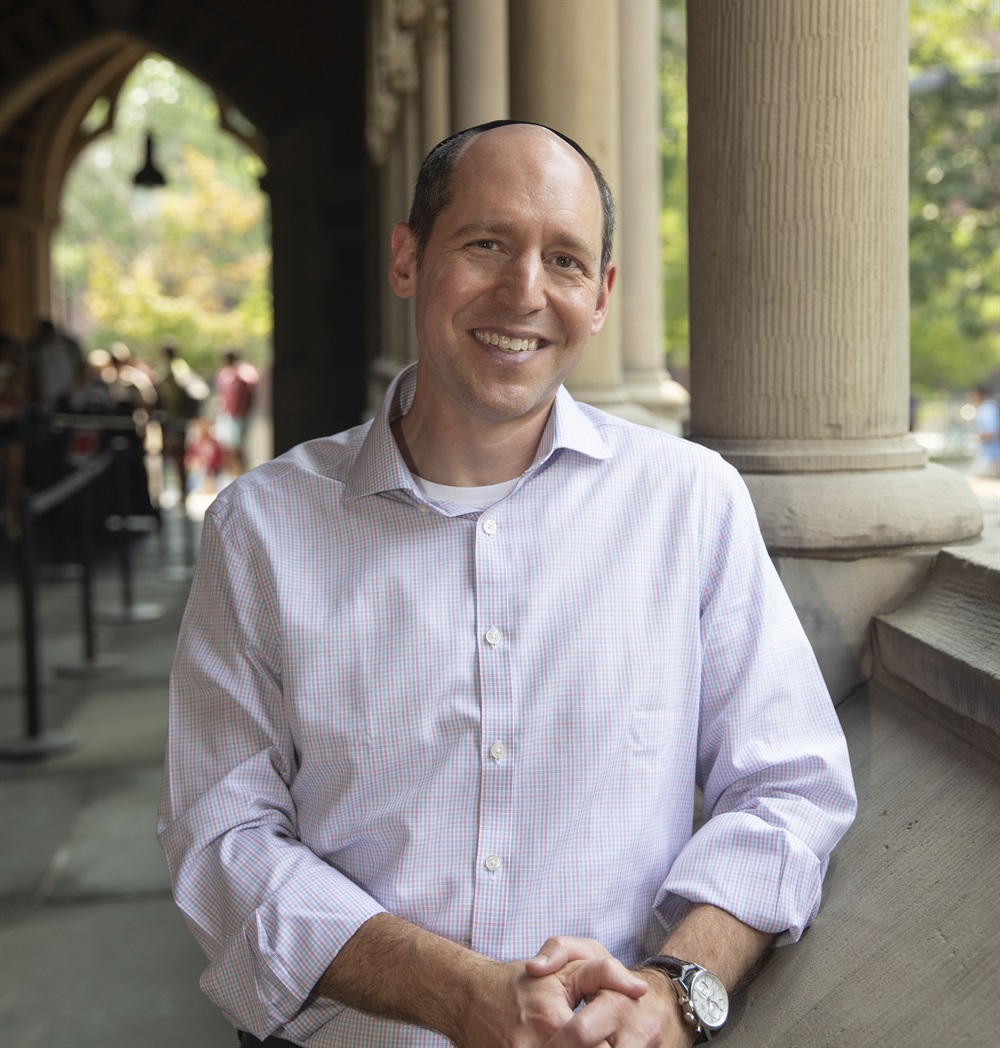
David H. Rosmarin, PhD, ABPP Related seminars and products
David H. Rosmarin, PhD, ABPP, is a board-certified clinical psychologist, program director at McLean Hospital (ranked #1 in psychiatry buy US News & World Report), and an internationally recognized expert on spirituality and mental health. He has authored over 100 peer-reviewed publications and has been featured on TEDx, Good Morning America, The New York Times, Scientific American, NPR, and more for his groundbreaking work.
Dr. Rosmarin is known for translating cutting-edge research into actionable, evidence-based strategies for clinical practice. Through his keynotes, workshops, and trainings, he helps clinicians reduce suffering, strengthen emotional resilience, and guide clients toward deeper healing and meaning in their lives.
Speaker Disclosures:
Financial: David Rosmarin maintains a private practice and has an employment relationship with HMS/McLean. He serves on the scientific advisory board for Center for Anxiety and is a consultant with Rofeh International and Refa’enu. David Rosmarin receives grants from John Templeton Foundation, Harvard Catalyst Clinical and Translational Science Center, and Templeton Religion Trust. He receives royalties as a published author. David Rosmarin receives a speaking honorarium from Psychotherapy Networker and PESI, Inc. He has no relevant financial relationships with ineligible organizations.
Non-financial: David Rosmarin is a member of the Association for Behavioral & Cognitive Therapies, the Society for a Science of Clinical Psychology, and the American Psychological Association.
Additional Info
Program Information
Access for Self-Study (Non-Interactive)Access never expires for this product.
For a more detailed outline that includes times or durations of time, if needed, please contact cepesi@pesi.com.
Questions?
Visit our FAQ page at https://www.pesicanada.ca/faq or contact us at https://www.pesicanada.ca/contact-us.
Objectives
After the presentation, participants will be able to:
- Use an intersectional lens to explore the role of faith, values, and worldview in clients’ lives.
- Approach spiritual assessments as an unfolding dialogue, not a checklist.
- Recognize common therapist “traps” in spiritual conversations – and how to avoid them.
- Practice a stance of cultural humility and openness when working with diverse belief systems.
- Integrate values and meaning-making into goal-setting and treatment planning.
Outline
Background & Introduction
- This section will offer definitions of a few terms and locate this presentation within the larger field of Spirituality Integrated Practice
Beginning with people
- How spirituality is already in the room
- Setting up some broad categories so that we can refer back to them (Believers in a tradition/mix of traditions; Believers in “something beyond” but without a tradition; Followers of a personal worldview/moral code
- Assessment – this section refers to spiritual assessment tools that are out there briefly before focusing on a more relational, intersectional frame that centers the client’s worldview
Therapist stance
- This section dives into the self of the therapist and will help participants explore their own worldview using select concepts in the previous section. This will expand therapist clarity about what they are bringing into their sessions, draw out the role of cultural humility, and identify areas for further growth
Goal setting/Treatment planning
- Inclusive of spirituality and meaning (brief)
“Traps”
- This section will describe situations in which there is a mismatch or a match between client’s worldview and the therapist’s worldview. It will then draw out where mismatches and mismatches can have potential for transference/countertransference, blurring of boundaries, and slipping out of a client-led process
Question/Answer/Discussion
Target Audience
- Counselors
- Social Workers
- Marriage & Family Therapists
- Psychologists
- Psychotherapists
- Case Managers
- Physicians
- Mental Health Professionals
Reviews
Satisfaction Guarantee
Your satisfaction is our goal and our guarantee. Concerns should be addressed to info@pesicanada.com.
Please wait ...