


Embodied Developmental Trauma Therapy
Reconnecting with the Body’s Innate Capacity for Healing
- Speakers:
- Scott Lyons, PhD, DO | Arielle Schwartz, PhD, CCTP-II, E-RYT, EMDR-C
- Duration:
- 2 Hours
- Language:
- Presented in EN, subtitles in EN and FR, handouts in EN and FR
- Copyright:
-
Oct 10, 2025
- Product Code:
- POS150458
- Media Type:
- Digital Seminar

Description
In this immersive workshop, you’ll explore the profound intersection of developmental trauma, embodiment, and movement-based healing. Drawing from the principles of Body-Mind Centering (BMC), pioneered by Bonnie Bainbridge Cohen, participants will have opportunities to embark on a deep somatic exploration of the different ways early relational experiences have shaped their nervous system, movement patterns, and emotional landscape.
Through guided experiential practices, breath, and developmental movement explorations, participants will experience the wisdom of their body in new and transformative ways as they gain tools to reconnect with the body’s innate capacity for healing and adaptability. You’ll explore:
- The impact of developmental trauma through movement, sensation, and neurophysiology
- Early motor patterns and the role they’ve played in emotional regulation and resilience
- Somatic and movement-based interventions for nervous system regulation and trauma integration
- Developmental gaps through movement analysis and facilitate bridging those gaps
Credit
Speaker
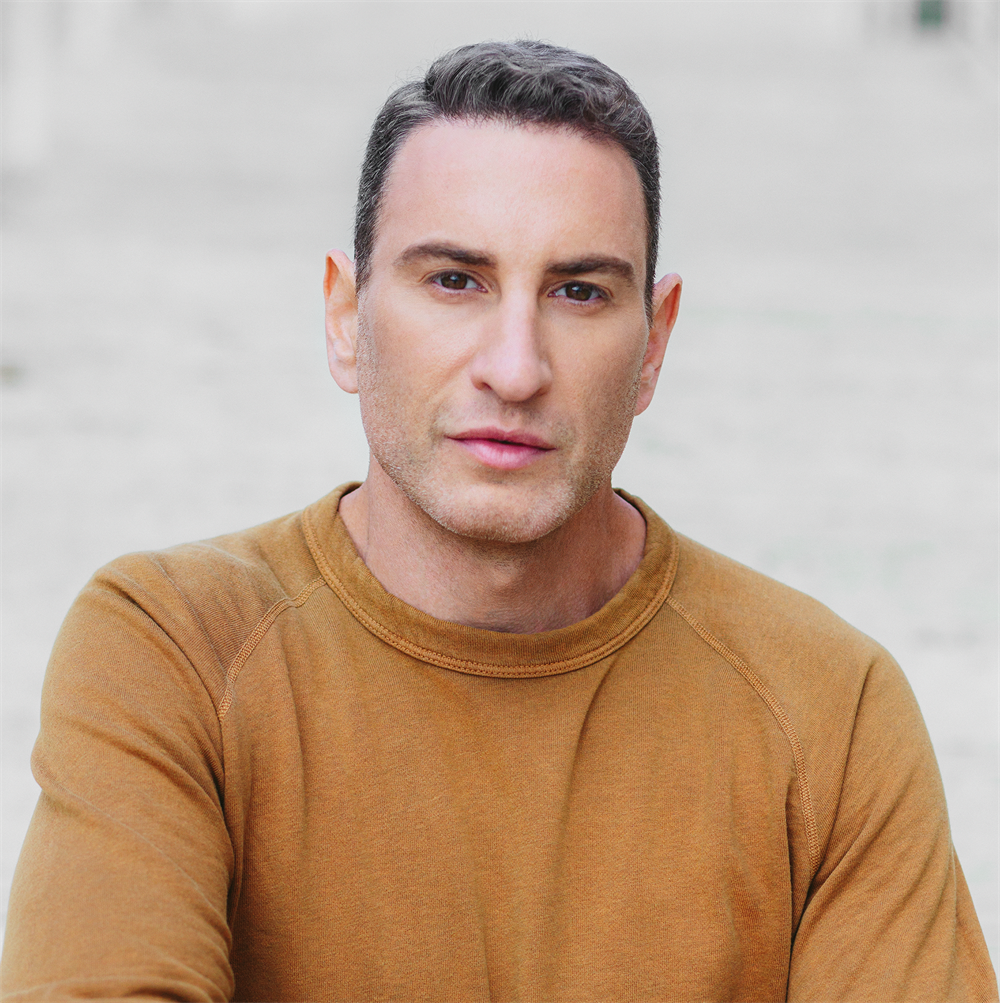
Scott Lyons, PhD, DO Related seminars and products
Scott Lyons, PhD, DO is a licensed holistic psychologist, Doctor of Osteopathy, educator, author of Addicted to Drama: Healing Dependency on Crisis and Chaos in Yourself and Others, and the host of The Gently Used Human podcast. He’s also the creator of The Embody Lab, the largest online learning platform for body-based trauma therapies, and developer of Somatic Stress Release, a holistic process of restoring biological resilience, taught in over 20 countries. He’s a Certified Body-Mind Centering teacher and practitioner, a cranio-sacral Therapist, a visceral manipulation therapist, Somatic Experiencing practitioner, clinical hypnotherapist, and a 500-hour registered yoga teacher.
Speaker Disclosures: Financial: Scott Lyons is the founder of The Embody Lab. He maintains a private practice and has an employment relationship with The School for Body-Mind Centering. Scott Lyons receives a speaking honorarium from PESI, Inc. He has no relevant financial relationships with ineligible organizations.
Non-financial: Scott Lyons is a member of the Body-Mind Centering ™Association, the American Massage and Body Work Association, and the National Association of Personal Training.

Arielle Schwartz, PhD, CCTP-II, E-RYT, EMDR-C Related seminars and products
Arielle Schwartz, PhD, CCTP-II, E-RYT, EMDR-C, is a licensed clinical psychologist, certified complex trauma professional, EMDR Consultant, and Kripalu yoga teacher. She is an internationally sought-out speaker, leading voice in the field of trauma recovery, and the author of eight books including The Complex PTSD Workbook, EMDR Therapy and Somatic Psychology, The Post-Traumatic Growth Guidebook, and Applied Polyvagal Theory in Yoga.
As the founder of the Center for Resilience Informed Therapy, her work is rooted in the positive psychology movement, which is focused on enhancing resources and fostering growth. She offers an integrative, mind-body approach to therapy that includes relational therapy, somatic psychology, EMDR therapy, parts work therapy, and therapeutic yoga for trauma. Praised by Dr. Stephen Porges, Arielle specializes in applying his polyvagal theory, which focuses on addressing imbalances within the autonomic nervous system that underlie most mental and physical health conditions. Her work can be found at the Shift Network, Sounds True, Psychotherapy Networker, Embody Lab, Art of Living, Omega Institute, and more.
Speaker Disclosures:
Financial: Dr. Arielle Schwartz maintains a private practice, has an employment relationship with Integrative Psychiatry Institute and receives compensation as a yoga instructor. She receives royalties as a published author and receives compensation as an international presenter and a yoga instructor. Dr. Schwartz is a paid consultant for Evergreen Certifications. She receives speaking honorarium, recording, and book royalties from PESI, Inc. She has no relevant financial relationships with ineligible organizations.
Non-financial: Dr. Arielle Schwartz is a member of the American Psychological Association and the Yoga Alliance.
Additional Info
Program Information
Access for Self-Study (Non-Interactive)Access never expires for this product.
For a more detailed outline that includes times or durations of time, if needed, please contact cepesi@pesi.com.
Questions?
Visit our FAQ page at https://www.pesicanada.ca/faq or contact us at https://www.pesicanada.ca/contact-us.
Objectives
- Analyze the impact of developmental trauma on the nervous system and movement patterns through a somatic and neurophysiological lens.
- Apply movement-based and somatic interventions to support nervous system regulation and trauma integration.
- Assess developmental gaps in clients using somatic awareness and facilitate healing through embodied movement practices.
Outline
Foundations of Developmental Trauma and Somatic Therapy
- Definition and characteristics of developmental trauma
- Overview of Body-Mind Centering (BMC) principles
- Importance of early relational experiences and their somatic imprints
- Risks and limitations of these approaches
Nervous System and Movement-Based Perspectives
- Neurophysiology of trauma and embodiment
- How early motor patterns relate to emotional regulation and resilience
- Case examples and research highlights
Experiential Somatic Exploration
- Guided practices using breath, movement, and sensory awareness
- Developmental movement exploration (based on BMC)
- Tracking nervous system responses and movement patterns
Interventions for Healing and Integration
- Somatic and movement-based tools for regulation
- Identifying and addressing developmental gaps through movement analysis
- Integrating somatic work with psychotherapeutic approaches
Practitioner Integration
- Facilitating safety, presence, and adaptability in clinical practice
- Therapist embodiment and co-regulation
Target Audience
- Counsellors
- Marriage and Family Therapists
- Social Workers
- Physicians
- Psychologists
- Addiction Counsellors
Reviews
Satisfaction Guarantee
Your satisfaction is our goal and our guarantee. Concerns should be addressed to info@pesicanada.com.
Please wait ...