
Effective Tools for Working with Serious Mental Illness
- Speaker:
- Steve Shapiro, PhD
- Duration:
- 2 Hours
- Language:
- Presented in EN, subtitles in EN and FR, handouts in EN and FR
- Copyright:
-
Mar 21, 2025
- Product Code:
- NOS096453
- Media Type:
- Digital Seminar
Description
It’s unfortunate, but severely mentally ill clients are the ones we frequently feel least able to help. Instead, they often find themselves marginalised within our field, medicated for chronic mental health symptoms without therapy. In this workshop, you’ll be introduced to powerful ways you can help fragile clients with serious trauma histories—or those who experience psychoses—to develop a more mature emotional infrastructure. Whether you’re an experienced practitioner or new to experiential dynamic therapies like ISTDP or AEDP, you’ll come away with new tools and interventions and a better understanding of how to help clients suffering from PTSD, personality disturbance, and severe and persistent mental illness. We’ll also touch on related issues such as splitting and projection, paranoia, hallucinations, disassociation, mind and body phenomena, suicide, therapeutic confrontation, and management of psychiatric emergencies. You’ll learn to:
- Use defence restructuring and anxiety regulating methods to meet clients where they are
- Do deeper work with clients through the development of increased emotional capacity and relatedness
- Help clients tolerate difficult and previously forbidden emotional conflicts
- Help clients recognise the implicit emotional schemas keeping them stuck
Credit
Program Information
Planning Committee Disclosure - No relevant relationshipsAll members of the PESI, Inc. planning committee have provided disclosures of financial relationships with ineligible organizations and any relevant non-financial relationships prior to planning content for this activity. None of the committee members had relevant financial relationships with ineligible companies or other potentially biasing relationships to disclose to learners. For speaker disclosures, please see the faculty biography.
NOTE: Tuition includes one free CE Certificate (participant will be able to print the certificate of completion after passing the online post-test (80% passing score) and completing the evaluation). Instructional methods will include PowerPoint, didactic lecture, and others.
Continuing Education Information: Listed below are the continuing education credit(s) currently available for this non-interactive self-study package. Program content is reviewed periodically per accrediting board rules for currency and appropriateness for credit. Credit approvals are subject to change. Please note, your licensing board dictates whether self-study is an acceptable form of continuing education, as well as which credit types are acceptable for continuing education hours. Please refer to your licensing board's rules and regulations. If your profession is not listed, please contact your licensing board to determine your continuing education requirements and check for reciprocal approval.
For other credit inquiries not specified below, please contact info@pesi.com or 800-844-8260 before purchase.
Materials that are included in this course may include interventions and modalities that are beyond the authorized practice of your profession. As a licensed professional, you are responsible for reviewing the scope of practice, including activities that are defined in law as beyond the boundaries of practice in accordance with and in compliance with your profession's standards.
For Planning Committee disclosures, please see the statement above. For speaker disclosures, please see the faculty biography.
Earn up to 2.0 CE hours. Please see below, for more details, as credit amounts vary by jurisdiction and profession.
PESI, Inc. is approved by the Canadian Counselling and Psychotherapy Association to offer continuing education for counsellors and psychotherapists. PESI, Inc. maintains responsibility for the program. This self-study activity is approved for 2.0 credit hours.
PESI, Inc. is approved by the Canadian Psychological Association to offer continuing education for psychologists. PESI, Inc. maintains responsibility for the program. This program is approved for 2.0 self-study continuing education hours. Full credit statement at: www.pesi.com/cpa-statement

PESI, Inc., #1062, is approved as an ACE provider to offer social work continuing education by the Association of Social Work Boards (ASWB) Approved Continuing Education (ACE) program. Regulatory boards are the final authority on courses accepted for continuing education credit. ACE provider approval period: January 27, 2026 - January 27, 2029. Social workers completing this course receive 2.0 Clinical continuing education credits.
Course Level: Intermediate Format: Recorded asynchronous distance. Full attendance is required; no partial credits will be offered for partial attendance.
Canadian Social Workers: Canadian provinces may accept activities offered by providers approved by the ASWB ACE program for ongoing professional development.
This self-study activity qualifies for 2.0 continuing education clock hours as required by many national and local licensing boards and professional organizations. Save your activity advertisement and certificate of completion, and contact your own board or organization for specific requirements.

This self-study course has been approved by PESI, Inc., as a NAADAC Approved Education Provider, for educational credits. NAADAC Provider #77553. PESI, Inc. is responsible for all aspects of their programming.
This self-study course offers 2.0 continuing education contact hours in the Counseling Services skill group. Full attendance is required; no partial credit will be awarded for partial attendance.
Handouts
| File type | File name | Number of pages | |
|---|---|---|---|
| Manual - Effective Tools for Working with Serious Mental Illness (2.9 MB) | 37 Pages | Available after Purchase | |
| Manual - Effective Tools for Working with Serious Mental Illness - French (2.9 MB) | 37 Pages | Available after Purchase | |
| Manual - Effective Tools for Working with Serious Mental Illness - Italian (2.9 MB) | 37 Pages | Available after Purchase | |
| Manual - Effective Tools for Working with Serious Mental Illness - German (2.9 MB) | 37 Pages | Available after Purchase | |
| Manual - Effective Tools for Working with Serious Mental Illness - Spanish (2.9 MB) | 37 Pages | Available after Purchase |
Speaker
Steve Shapiro, PhD Related seminars and products
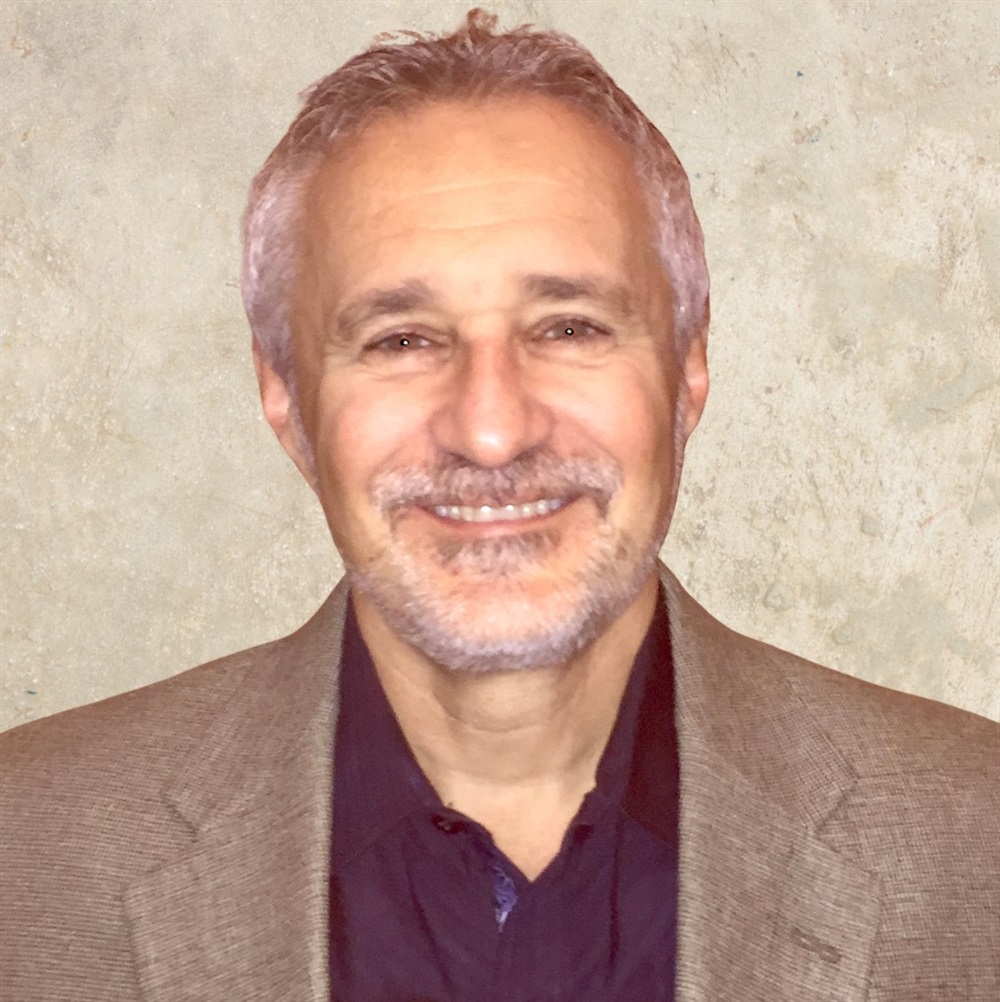
Steve Shapiro, PhD, is a psychologist, certified IEDTA teacher, trainer, and supervisor, and a founding member of the AEDP institute with over 20 years of clinical and teaching experience. His work as the director of an emergency psychiatric hospital for over 16 years has informed his approach to challenging patients with a history of trauma, a high degree of resistance, or excessive anxiety and dysregulation. He trains clinicians internationally.
Speaker Disclosures:
Financial: Steven Shapiro maintains a private practice and has employment relationships with Accelerated Experiential Dynamic Psychotherapy (AEDP) Institute and MCP Hahnemann University, He receives a speaking honorarium from Psychotherapy Networker and PESI, Inc. He has no relevant financial relationships with ineligible organizations.
Non-financial: Steven Shapiro is a fellow with the Pennsylvania Psychological Association, a member of the International Center for Clinical Excellence and the American Association of Suicidology.
Additional Info
Program Information
Access for Self-Study (Non-Interactive)Access never expires for this product.
For a more detailed outline that includes times or durations of time, if needed, please contact cepepesi.com
Questions?
Visit our FAQ page at https://www.pesicanada.ca/faq or contact us at https://www.pesicanada.ca/contact-us.
Objectives
- Recognise and regulate markers for excessive anxiety when working with clients with a trauma history.
- Modify (restructure) defences like splitting & projection to encourage more adaptive functioning.
- Explore previously forbidden material safely using a modified format in those with a history of borderline or psychotic level symptoms and functioning.
Outline
LEVELS OF STRUCTURAL FUNCTIONING:- Neurotic, borderline & psychotic levels
- What is the limiting factor: defence or anxiety?
- Reality testing
- Relatedness
VIDEO DEMONSTRATION
- Microanalysis of principles covered
- Group deliberate practice
- Facilitated discussion
CLINICAL APPLICATION OF THEORY
- Highlight and invite (join and challenge)
- Analysing and relating
UNDERSTANDING PSYCHODIAGNOSIS
- Anxiety discharge pathway parameter
- Anxiety tolerance parameter
- Defence level parameter
MOMENT TO MOMENT TRACKING OF THE PROCESS
- Using a modified approach (graded format)
- Restructuring defences
- Regulating anxiety and increasing emotional capacity
- Therapist factors
- Risks and limitations of the model
- Need for therapist training
VIDEO DEMONSTRATION
- Microanalysis of principles covered
- Group deliberate practice
- Facilitated discussion
Target Audience
- Counsellors
- Marriage and Family Therapists
- Social Workers
- Physicians
- Psychologists
- Addiction Counsellors
Reviews
| 5 |
|
| 4 |
|
| 3 |
|
| 2 |
|
| 1 |
|
Overall: 4.6
Total Reviews: 209
Satisfaction Guarantee
Your satisfaction is our goal and our guarantee. Concerns should be addressed to info@pesicanada.com.
Please wait ...