


Cannabis and Mental Health Update
Evidence-Based Approaches for Clients Using THC, CBD and Cannabis-Derived Products
- Speaker:
- Paulette S. Smith, MS, LCSW-C
- Duration:
- Approx 6 Hours
- Language:
- Presented in EN
- Copyright:
-
Oct 27, 2026
- Product Code:
- POS150989
- Media Type:
- Digital Seminar - Also available: Live Webinar

Description
- Impacts on anxiety, mood, and trauma symptoms
- Assess for use without shame, judgment or defensiveness
- Identify red flags and therapy interfering patterns
- MI strategies to explore ambivalence and support behavior change
- Stay within ethical and legal boundaries
Gummies. Vapes. THC infused drinks.
Cannabis is everywhere. Your clients are using it.
But this isn’t a topic to tiptoe around – cannabis use can impact symptoms, sleep patterns and emotional stability.
And with use growing fast and rapidly evolving research, staying informed isn’t optional – it’s essential for effective clinical care.
That’s why we teamed up with Paulette S. Smith, MS, LCSW C, an assistant professor at Morgan State University’s School of Social Work and an adjunct faculty member at the University of Maryland’s Medical Cannabis Science & Therapeutics Program.
Dr. Smith will give you a clear, up-to-date understanding of how cannabis affects the brain, behavior, emotions, and the therapeutic relationship …
… PLUS skills and tools from Motivational Interviewing and harm reduction to assess for and navigate client use without shame, confrontation, judgment or stigma.
This course ensures you’re up to date and prepared – no matter how cannabis shows up in your clinical work.
Purchase now!
Credit
Speaker
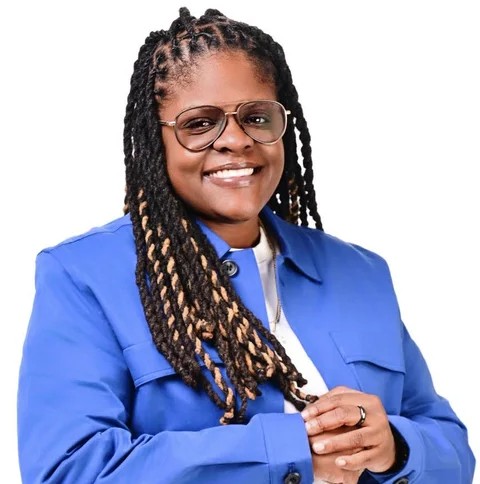
Paulette S. Smith, MS, LCSW-C Related seminars and products
Morgan State University
Dr. Paulette Smith is an assistant professor at Morgan State University’s School of Social Work and an adjunct faculty member in the University of Maryland’s Medical Cannabis Science and Therapeutics program. She’s a licensed clinical social worker with over fifteen years of experience in adolescent, adult, and family mental health, focusing on trauma-informed and culturally responsive care. Her scholarship centers on mental health, cannabis science, racial equity, and social justice. Her research looks at how mindfulness, self-determination, and cannabis therapy aid healing in communities impacted by structural violence, trauma, and disparities. She leads multiple studies, including the Mindful Morgan Initiative, which aims to embed mindfulness, belonging, and wellness into HBCU support systems. A nationally recognized speaker, she discusses cannabis and mental health, harm reduction, trauma-informed care, and health equity. Her publications address the shift in social work toward culturally rooted, evidence-based approaches to substance use. She founded Paulette Simone & Associates and Canna Heals to promote accessible, stigma-free healing through retreats, training, and education. She holds a doctor of social work from Simmons University, an MSW from Morgan State, a master’s in medical cannabis science and therapeutics from the University of Maryland, Baltimore, and a bachelor’s in communication from Bowie State.
Speaker Disclosures:
Financial: Dr. Paulette Smith is the founder of Canna Heals, LLC. and has employment relationships with Morgan State University, Insight Timer, Gladstone Psychiatry and Wellness, and University of Maryland. She receives a speaking honorarium from PESI, Inc. She has no relevant financial relationships with ineligible organizations.
Non-financial: Dr. Paulette Smith has no relevant non-financial relationships.
Additional Info
Program Information
Access for Self-Study (Non-Interactive)Access never expires for this product.
For a more detailed outline that includes times or durations of time, if needed, please contact cepesi@pesi.com.
Questions?
Visit our FAQ page at https://www.pesicanada.ca/faq or contact us at https://www.pesicanada.ca/contact-us.
Objectives
- Determine clinical impacts of three prohibition-related drivers of cannabis stigma.
- Identify two evidence-supported ways cannabis use may influence anxiety, mood, or stress responses.
- Distinguish between adaptive and maladaptive cannabis-related coping patterns when discussing client motivation, ambivalence, and use contexts.
- Apply two ethical considerations when responding to a client disclosure of cannabis use within the professional scope.
- Choose two harm reduction strategies that reduce stigma and risk while supporting client-centered engagement.
- Apply ethical, scope-appropriate, and motivational interviewing-informed strategies to one real-world clinical scenario involving client cannabis use.
Outline
Cannabis Use 101 for Clinicians
- Cannabis stigma, internalized shame and willingness to trust clinicians
- Why cannabis disclosures are increasing
- What current research does – and does not – tell us
- Dosing and potency considerations
- Boundaries in discussing dosing, products, or medical advice
- Risks, limitations and variability in cannabis-related outcomes
How Cannabis Impacts Anxiety, Mood, and Stress Response
- How THC and CBT impact emotion regulation
- Cannabis as both a short-term anxiolytic and a long-term anxiety amplifier
- Effects on the stress response system, memory, motivation and tolerance
- When cannabis may help clients temporarily down-regulate
Adaptive Versus Maladaptive Cannabis-Related Coping Patterns
- What cannabis helps the client do (relax, sleep, numb, avoid, connect)
- Differentiate helpful coping from avoidance-driven patterns
- Identify benefits and consequences without judgment
- Signs of maladaptive or therapy-interfering use
- Support the client’s own motivation for change
Motivational Interviewing Strategies for Responding to Cannabis Disclosures
- Use curiosity, reflections, and open-ended questions
- Reduce defensiveness and shame during conversations about use
- Normalize ambivalence and explore motivation for change
- Elicit client goals and values to guide behavior change conversations
Harm Reduction Approaches to Reduce Stigma and Support Client Safety
- Meet clients where they are without moralizing
- Safer-use considerations within a harm reduction framework
- Support autonomy and informed decision-making
- Identify risks while preserving trust
Professional Boundaries in Cannabis-Related Clinical Conversations
- Stay within your scope of practice
- Manage requests for dosing advice, product recommendations, or medical guidance
- Recognize when collaboration with medical providers is appropriate
- Respond to impairment, safety concerns, or therapy-interfering cannabis use
Target Audience
- Social Workers
- Counselors
- Psychologists
- Marriage and Family Therapists
- Addiction Counselors
- Substance Abuse Counselors
- Registered Psychotherapists
- Case Managers
- Nurses
- Public Health Department Staff
- Other Mental Health Professionals



Reviews
Satisfaction Guarantee
Your satisfaction is our goal and our guarantee. Concerns should be addressed to info@pesicanada.com.
Please wait ...