


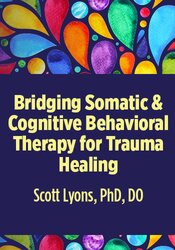
Bridging Somatic & Cognitive Behavioral Therapy for Trauma Healing
Integrating Mind & Body for Lasting Trauma Recovery
- Speaker:
- Scott Lyons, PhD, DO
- Duration:
- Approx two hours
- Language:
- Presented in EN, subtitles in EN and FR, handouts in EN and FR
- Copyright:
-
Oct 10, 2025
- Product Code:
- POS150453
- Media Type:
- Digital Seminar

Description
Trauma healing is most effective when we integrate both the body and mind—yet most therapeutic approaches focus on one or the other. In this workshop, you’ll explore the powerful intersection of Somatic Therapy and Cognitive Behavioral Therapy (CBT) to create a holistic and embodied approach to trauma recovery, one that provides cognitive tools to reframe thought patterns and emotional responses as well as tools to access the body’s wisdom to release stored trauma and regulate the nervous system. Through practical exercises, experiential learning, and clinical insights, you’ll discover:
- How trauma impacts both cognition and the nervous system
- How to pair body-based awareness with cognitive restructuring for deeper transformation
- Guided exercises that combine movement, breathwork, and thought reframing
- Techniques to move from dysregulation (fight/flight/freeze) into resilience
- How to identify and shift the automatic thought-body patterns that reinforce trauma responses.
Credit
Speaker
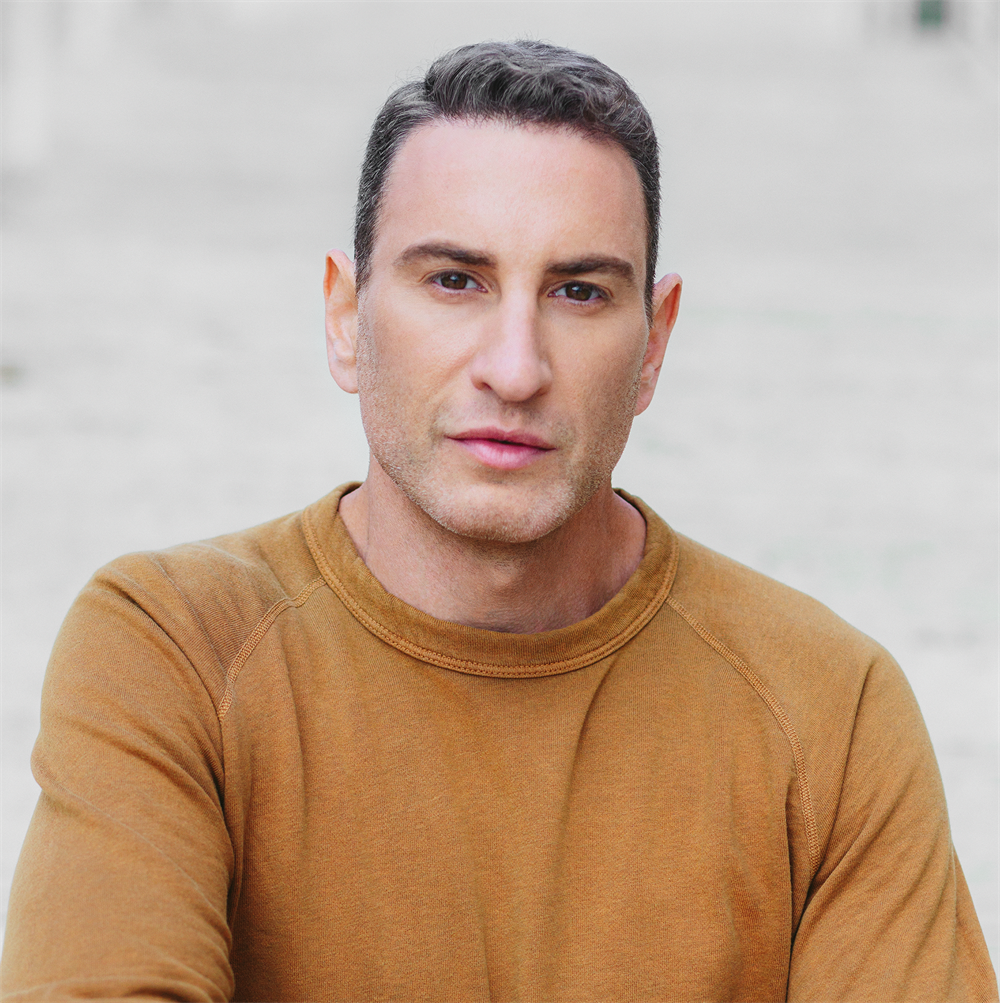
Scott Lyons, PhD, DO Related seminars and products
Scott Lyons, PhD, DO is a licensed holistic psychologist, Doctor of Osteopathy, educator, author of Addicted to Drama: Healing Dependency on Crisis and Chaos in Yourself and Others, and the host of The Gently Used Human podcast. He’s also the creator of The Embody Lab, the largest online learning platform for body-based trauma therapies, and developer of Somatic Stress Release, a holistic process of restoring biological resilience, taught in over 20 countries. He’s a Certified Body-Mind Centering teacher and practitioner, a cranio-sacral Therapist, a visceral manipulation therapist, Somatic Experiencing practitioner, clinical hypnotherapist, and a 500-hour registered yoga teacher.
Speaker Disclosures: Financial: Scott Lyons is the founder of The Embody Lab. He maintains a private practice and has an employment relationship with The School for Body-Mind Centering. Scott Lyons receives a speaking honorarium from PESI, Inc. He has no relevant financial relationships with ineligible organizations.
Non-financial: Scott Lyons is a member of the Body-Mind Centering ™Association, the American Massage and Body Work Association, and the National Association of Personal Training.
Additional Info
Program Information
Access for Self-Study (Non-Interactive)Access never expires for this product.
For a more detailed outline that includes times or durations of time, if needed, please contact cepepesi.com
Questions?
Visit our FAQ page at https://www.pesicanada.ca/faq or contact us at https://www.pesicanada.ca/contact-us.
Objectives
- Explain the interplay between cognitive and somatic processes in trauma recovery and how integrating both enhances healing outcomes.
- Demonstrate practical techniques that combine CBT-based cognitive restructuring with somatic interventions to regulate the nervous system.
- Apply an integrated approach to trauma treatment by identifying and addressing trauma loops through both thought-based and body-based interventions.
Outline
Foundations of Trauma and the Mind-Body Connection
- Understanding trauma’s impact on cognition and the nervous system
- The limitations of a mind-only or body-only approach
- Introducing the somatic-cognitive integration model
Cognitive Restructuring Meets Somatic Awareness
- Overview of CBT principles for trauma healing
- Somatic techniques to track and release embodied trauma
- Case studies on combining these approaches
Practical Techniques for Trauma Recovery
- Guided movement and breathwork for nervous system regulation
- Thought-reframing exercises to break trauma loops
- Interactive partner work and experiential learning
Applying the Integration in Clinical Practice
- Risks and Limitations
- Recognizing when to prioritize cognitive or somatic interventions
- Strategies for clients resistant to body-based work
- Tailoring the approach to different trauma presentations
Target Audience
- Counsellors
- Marriage and Family Therapists
- Social Workers
- Physicians
- Psychologists
- Addiction Counsellors
Reviews
Satisfaction Guarantee
Your satisfaction is our goal and our guarantee. Concerns should be addressed to info@pesicanada.com.
Please wait ...