


Brain Lesions, Cognitive Changes & Behavioral Control
- Speaker:
- Jerome Quellier, MS, CCC-SLP
- Duration:
- 1 Hour 01 Minutes
- Language:
- Presented in EN, subtitles in EN and FR, handouts in EN and FR
- Copyright:
-
Oct 26, 2021
- Product Code:
- POS078325
- Media Type:
- Digital Seminar

Description
Patient loads and work expectations ever increase. Maximizing knowledge of neuroanatomy and dysfunction will assist in the selection of the most appropriate tests and programs to target challenges to patient progress. This session has been specifically designed to dive into site-specific changes within the brain that affect behavior and thinking skills. Being able to predict patient barriers to engagement and compliance also helps clinicians to train to each patient’s individual needs. Through a comprehensive discussion across disciplines, this course will highlight the essentials every clinician needs to confidently face their cognitively impaired client.
Credit
Speaker
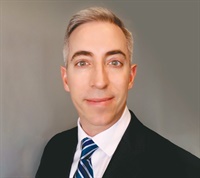
Jerome Quellier, MS, CCC-SLP Related seminars and products
Mr. Quellier is a retired clinical specialist in traumatic brain injury and communication disorders from a 450+ bed level 1 trauma hospital in Saint Paul, MN with over 28 years of acute, residential, and outpatient rehabilitation experience. Throughout his career, he focused on neuro-based diagnostics and intervention for dysphagia, cognitive-linguistic deficits, head and neck cancer management, patient advocacy, and curriculum development. Mr. Quellier completed advanced training in brain dissection at Marquette University, actively engaged in curriculum creation and staff development training, and collaborated with a neurosurgery team in preserving language function during tumor resections.
Mr. Quellier is excited to bring this topic to the forefront after working with the interdisciplinary team’s challenges in understanding the “what and why” of aberrant cognitive control that places patients at heighten dysphagia risk.
Speaker Disclosures:
Financial: Jerome Quellier receives a speaking honorarium and recording royalties from PESI, Inc. He has no relevant financial relationships with ineligible organizations.
Non-financial: Jerome Quellier is a member of the American Speech-Language and Hearing Association.
Additional Info
Program Information
Access for Self-Study (Non-Interactive)Access never expires for this product.
For a more detailed outline that includes times or durations of time, if needed, please contact cepesi@pesi.com
Questions?
Visit our FAQ page at https://www.pesicanada.ca/faq or contact us at https://www.pesicanada.ca/contact-us.
Objectives
- Differentiate the unique functions of each cerebral hemisphere as it applies to normal function and changes to cognitive processing after neuro insult.
- Analyze the specific neurological sites for emotional regulation within the brain by typical vs. atypical function after damage/degeneration.
- Assess how site-specific lesions in the temporoparietal junction effect visuospatial capacity and predict features of anosognosia.
Outline
Brain Pathophysiology & Lesion Sites- Gray vs white matter
- Neuronal anatomy and physiology
- Neural wiring systems & the brain’s internal communication
- Frontal lobes vs. temporal/parietal/occipital lobes - as cooperating cognitive centers
- Cerebellum & brain stem functions – the effect on cognition and sensory awareness
- Insular cortex and limbic processors for emotional regulation
- Altered visuospatial processing and anosognosia: A clinician’s toughest challenge
Target Audience
- Nurses
- Nurse Practitioners
- Clinical Nurse Specialists
- Physician Assistants
- Physicians
- Physical Therapists
- Physical Therapist Assistants
- Occupational Therapists
- Occupational Therapy Assistants
- Speech Language Pathologists
- Social Workers
- Nursing Home Administrators
Reviews
Satisfaction Guarantee
Your satisfaction is our goal and our guarantee. Concerns should be addressed to info@pesicanada.com.
Please wait ...