


Autism in the Classroom
Practical Strategies for Clinicians, Teachers, and School-Based Professionals
- Speaker:
- Emily Kircher-Morris, MA, MEd, LPC
- Duration:
- Approx 6 hours
- Language:
- Presented in EN
- Copyright:
-
Dec 17, 2026
- Product Code:
- POS151035
- Media Type:
- Digital Seminar - Also available: Live Webinar

Description
- Recognize autistic presentations that are subtle, complex, or easy to miss
- Understand what’s really driving shutdown, avoidance, and behavior that looks like defiance
- Respond with practical, neurodiversity-affirming strategies that actually work in real school settings
- Build coordinated support across classrooms, counseling space, and school teams
1 in 31 kids is autistic. Help them stop surviving school and start thriving in it.
You went into this work to help kids thrive. But when it comes to autistic students, the tools you were handed don’t always get you there.
Because you’re trying to manage behavior, communication differences, social challenges and accommodations …
… all with individuals who can have vastly different abilities and needs.
And to be honest – a lot of what you learned so far is probably outdated, oversimplified, or aimed at a student who doesn’t actually exist.
You need strategies that work for the students sitting in front of you right now.
That’s exactly what this training give you.
Watch author and neurodiversity advocate Emily Kircher-Morris, LPC, as she gives you the tools, language and skills to understand how autism actually shows up in school settings and respond in ways that make a real difference.
Whether you’re a counselor, social workers, teacher or school-based professional you’ll leave ready to:
- Spot autistic presentations that are easy to miss, including students who are verbal, compliant, or masking
- Understand what’s driving shutdown, avoidance, rigidity, and behavior that looks like defiance
- Respond in ways that reduce shame, avoid power struggles, and support regulation
- Apply supports and accommodations that improve access without lowering expectations
- Build coordinated support across colleagues, families, and specialists
PLUS unlike other trainings that give generic “one size fits all” advice on working with students on the spectrum …
… Emily will walk you through real classroom scenarios and show you exactly how to respond to the most common challenges you face each day.
This training is your chance to help autistic students thrive at school and reach their full potential!
Purchase now!
Credit
Speaker
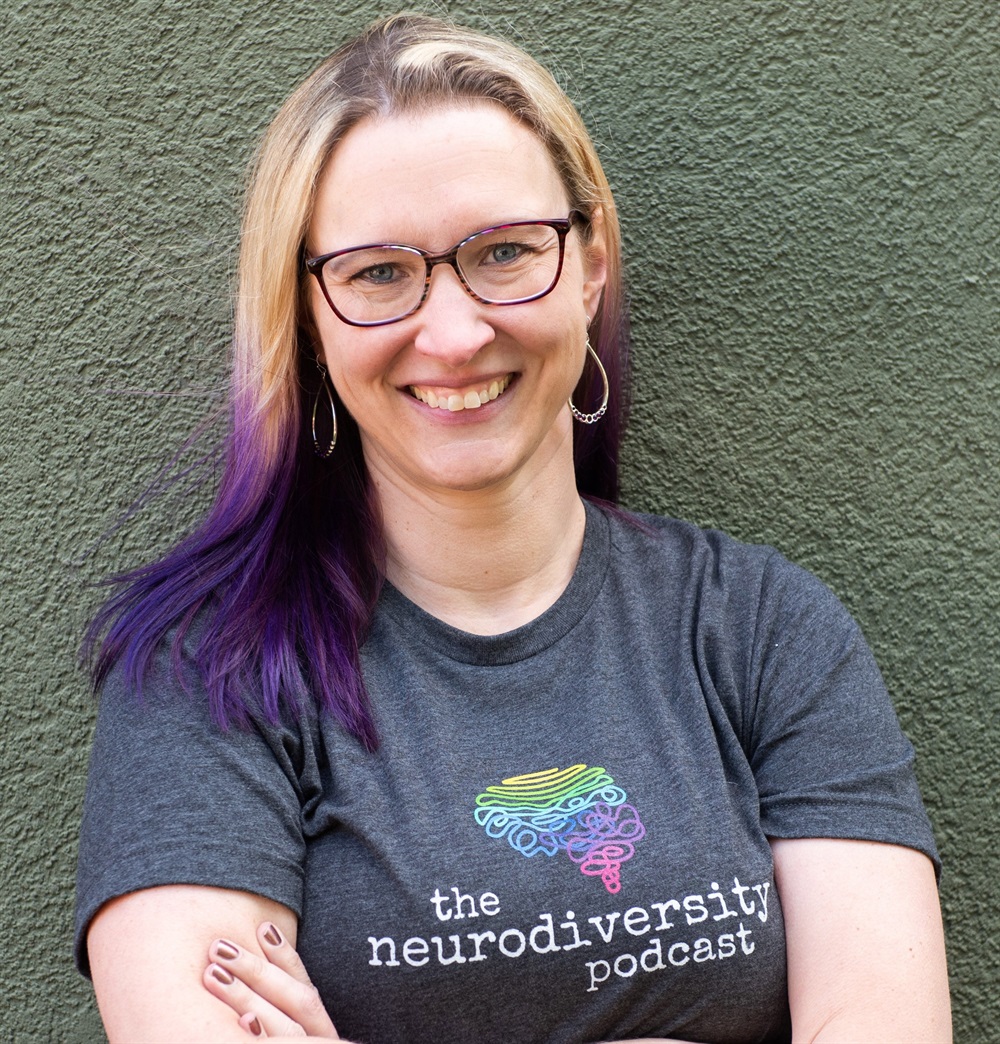
Emily Kircher-Morris, MA, MEd, LPC Related seminars and products
Emily Kircher-Morris, MA, MEd, LPC, is a licensed professional counselor specializing in neurodivergent children, adolescents, and adults. With a background in both education and mental health, she integrates neurodiversity-affirming and strengths-based approaches into her clinical work, consultation, and training for clinicians.
Emily is the host of The Neurodiversity Podcast, where she explores evidence-informed counseling practices, identity development, executive functioning, and systemic supports for neurodivergent individuals. She is the author of multiple books, including Neurodiversity-Affirming Schools: Transforming Practices So All Students Feel Accepted and Supported (2025). She provides continuing education and professional development nationally and internationally.
Speaker Disclosures:
Financial: Emily Kircher-Morris is the owner of Neurodiversity Alliance and the podcast host of The Neurodiversity Podcast. She receives compensation as a consultant and national speaker. Emily Kircher-Morris receives royalties as a published author. She receives a speaking honorarium from PESI, Inc. She has no relevant financial relationships with ineligible organizations.
Non-financial: Emily Kircher-Morris is a member of the National Association for Gifted Children.
Additional Info
Program Information
Access for Self-Study (Non-Interactive)Access never expires for this product.
For a more detailed outline that includes times or durations of time, if needed, please contact cepesi@pesi.com.
Questions?
Visit our FAQ page at https://www.pesicanada.ca/faq or contact us at https://www.pesicanada.ca/contact-us.
Objectives
- Analyze how autistic neurotype may influence student presentation in school settings, including patterns that are commonly misunderstood or under-identified.
- Interpret social communication differences in autistic students and how they may influence classroom participation, peer interactions, and relationship needs in school settings.
- Differentiate how repetitive patterns, sensory differences, intense interests, and predictability needs may influence regulation and classroom functioning for autistic students compared to their neuro-normative peers.
- Identify how nervous system demands, cumulative stress, and masking may contribute to overload, participation difficulties, and recovery needs for autistic students in school settings.
- Apply a neurodiversity-affirming framework to respond to autistic student behavior based on regulation, communication, sensory experience, and context rather than punitive or compliance-based assumptions.
- Use classroom systems, environmental supports, and accommodations to reduce barriers and support regulation, access, and participation for autistic students.
Outline
Understand Autism in School Settings
- Autism as a neurotype, not a checklist of deficits
- Common misconceptions and stereotypes that shape how students are perceived
- Subtle presentations and the gap between internal experience and outward appearance
- Co-occurring profiles and the difference between diagnosis, educational identification, and school-based support
- Discussion of limitations and risks
Communication, Relationships, and Social Experience
- Why social communication differences are so frequently misread
- Process time, pragmatic language, and classroom communication expectations
- Eye contact, body language, tone, and participation styles
- Peer misunderstandings, social vulnerability, and supporting authentic connection
Repetitive Patterns, Sensory Differences, and Predictability Needs
- Repetitive movements, routines, and intense interests as meaningful and often regulatory
- Sensory processing differences and their impact on attention and daily functioning
- Predictability needs and support around uncertainty and change
- Monotropism, deep interests, and demand sensitivity in classroom contexts
Stress, Overload, and Regulation in School
- Regulation as a body-based, relational, and environmental process
- Overload, shutdown, withdrawal, and meltdowns
- Masking, chronic strain, and autistic burnout
- Why students who appear fine at school are often struggling beneath the surface
Reframe Behavior Through a More Accurate Lens
- Why autistic behavior is so often misread in school settings
- Distinguish distress, overload, and unmet needs from willful noncompliance
- The limits of punitive and compliance-based approaches
- De-escalation, co-regulation, repair, and collaborative problem-solving
Classroom Supports That Improve Access and Participation
- Predictability, routines, visual supports, and reduced ambiguity
- Environmental design that lowers cognitive and sensory load
- Flexible participation, transition supports, and built-in regulation opportunities
- Accommodations matched to real barriers in communication, regulation, and learning
Target Audience
- Counselors
- School Counselors
- General Education Teachers
- Special and Gifted Education Teachers
- School and Clinical Social Workers
- School Administrators
- Psychologists
- School Psychologists
- Ancillary Service Providers
- Speech and Language Therapists, Occupational Therapists, Physical Therapists



Reviews
Satisfaction Guarantee
Your satisfaction is our goal and our guarantee. Concerns should be addressed to info@pesicanada.com.
Please wait ...