


3-Day Personality Disorder Certification
New Research on Neuroscience and Treatment with DBT, ACT & Mentalization-Based Therapy
- Speaker:
- Richard Sears, PsyD, PhD, MBA, ABPP
- Duration:
- Three Full Days
- Language:
- Presented in EN, subtitles in EN and FR
- Product Code:
- LWC150852
- Brochure Code:
- PWZ95993
- Media Type:
- Live Webinar

Description
- Easy ways to incorporate new research into practice
- Evidence-based approaches that build on strengths
- Simple keys to manage stressful sessions and calm dysregulation
“Personality Disorders are rare … untreatable … a life sentence.”
Myths like these leave you feeling stuck and without clinical tools that make a difference.
… But new research is rewriting the personality disorder treatment playbook.
Join Dr. Richard Sears, expert in ACT, mindfulness and working with personality disorders, in this 3-Day Personality Disorder Certification training to learn a compassionate yet direct approach with strengths-based techniques from DBT, ACT, and Mentalization-Based therapy.
You’ll walk away knowing:
- The latest genetic and neurological understanding of personality disorders
- How even the most frustrating, maladaptive behaviors get conditioned and reinforced over time (and what to do about it)
- Strategies to help free clients of struggles with thoughts, feelings, and unhealthy behaviors
- Interventions to manage stressful sessions and emotional chaos
- How to avoid getting pulled into a client’s “crisis of the week” drama
With solid principles and detailed case examples, Dr. Sears will bring these concepts and methods to life with passion and humor, giving you practical takeaways to use in your very next therapy session.
PLUS, this training meets the educational requirements to become a Certified Personality Disorder Treatment Provider (C-PD)!
CERTIFICATION MADE SIMPLE!
- No hidden fees – PESI pays for your application fee (a $99 value)*!
- Simply complete this live event and the post-event evaluation included in this training, and your application to be a Certified Personality Disorder Treatment Provider (C-PD) through Evergreen Certification is complete.*
Attendees will receive documentation of C-PD certification from Evergreen Certifications 4 to 6 weeks following the program.
*Professional standards apply. Visit www.evergreencertifications.com/C-PD for professional requirements.
Credit
Speaker
Richard Sears, PsyD, PhD, MBA, ABPP Related seminars and products
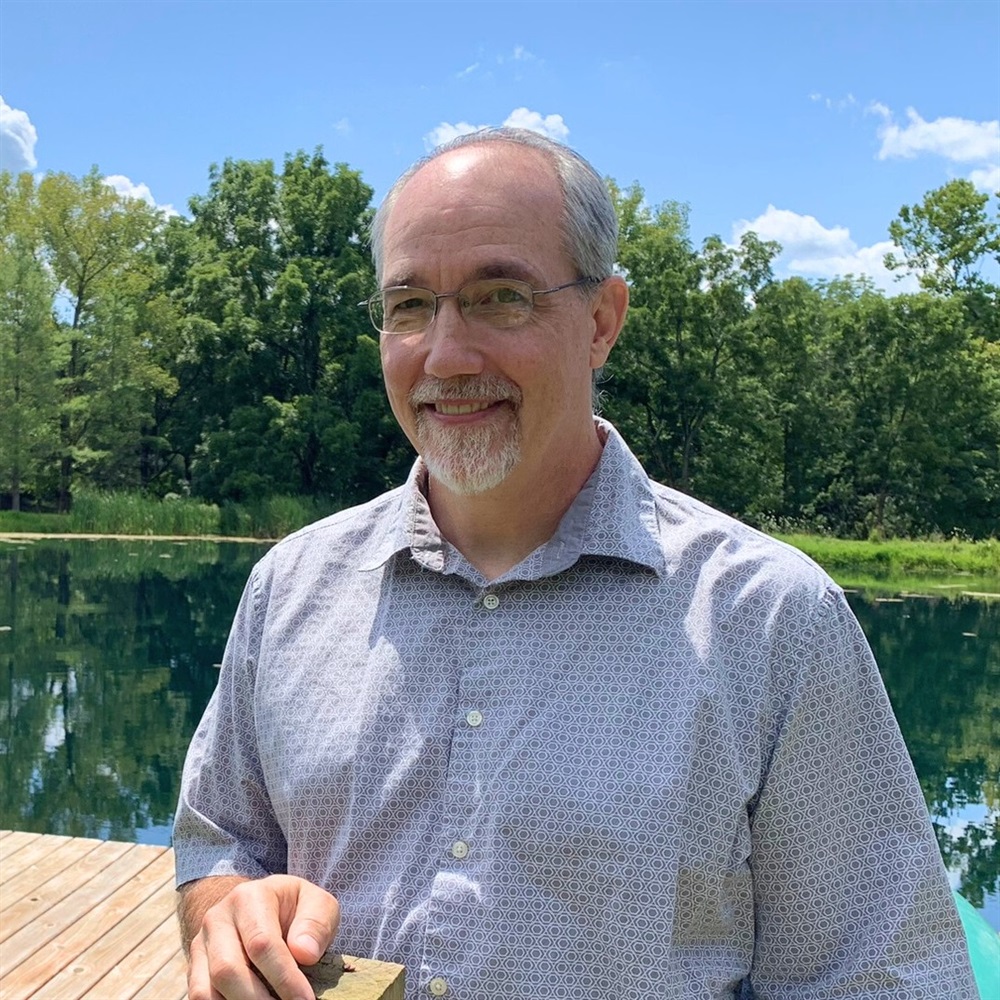
Richard Sears, PsyD, PhD, MBA, ABPP, is a licensed psychologist in Cincinnati, Ohio, board certified in clinical psychology by the American Board of Professional Psychology (ABPP), runs a private psychology and consultation practice, and is the director of the Center for Clinical Mindfulness & Meditation. He has run hundreds of mindfulness groups and was lead clinician in the first brain scan study involving mindfulness with children and adolescents. He is also an adjunct professor in the University of Cincinnati psychology department, clinical research faculty at the UC Center for Integrative Health and Wellness, volunteer professor of psychiatry & behavioral neurosciences at the UC College of Medicine, and a former research/psychologist contractor with the Cincinnati VA Medical Center.
His most recent books include ACT with Anxiety (PESI); The ACT Flip Chart (PESI); Cognitive Behavioral Therapy & Mindfulness Toolbox (PESI); Mindfulness: Living Through Challenges and Enriching Your Life in the Moment (Wiley-Blackwell); Building Competence in Mindfulness-Based Cognitive Therapy (Routledge); and Mindfulness-Based Cognitive Therapy for PTSD (Wiley-Blackwell).
Dr. Sears is a sixth-degree black belt in Ninjutsu, and once served as a personal protection agent for the Dalai Lama with his teacher, Stephen K. Hayes. He has studied Eastern Wisdom for over 40 years, receiving ordination in three traditions, and transmission as a Zen master.
Speaker Disclosures:
Financial: Dr. Richard Sears maintains a private practice and has employment relationships with the University of Cincinnati College of Medicine, the University of Cincinnati for Integrative Health and Wellness, Alliance Integrative Medicine, and Wright State University School of Professional Psychology. He receives compensation as a consultant and royalties as a published author. Dr. Sears receives a speaking honorarium, recording, and book royalties from PESI, Inc. He has no relevant financial relationships with ineligible organizations.
Non-financial: Dr. Richard Sears is a member of the Association for Contextual Behavioral Science, a diplomate of the American board of Professional Psychology, and a fellow with the Academy of the American Board of Clinical Psychology. He is a peer reviewer for Mindfulness and a book reviewer for John Wiley & Sons, Inc, and Routledge. He is the director of Center for Clinical Mindfulness and Meditation.

Additional Info
Program Information
Access Period for Live WebcastYou will have access for 90 days after the program for review. For live CE credit, you must watch the live webcast in its entirety at its scheduled time and complete the CE quiz and evaluation within one week. Please note that this requirement may vary by credit type. Please see detailed credit information for specific requirements for each credit type.
Webcast Schedule
Please note: There will be a 70-minute lunch and two 15-minute breaks; one in the morning and one in the afternoon. Lunch and break times will be announced by the speaker and at their discretion. A more detailed schedule is available upon request.
Questions?
Visit our FAQ page at https://www.pesicanada.ca/faq or contact us at https://www.pesicanada.ca/contact-us.
Objectives
- Identify the latest genetic and neurological understanding of personality disorders
- Determine how to recognize and interrupt unhealthy thinking patterns
- List strategies to help free clients of struggles with thoughts, feelings, and unhealthy behaviors
- Determine how to avoid getting pulled into a client’s “crisis of the week” drama
- Differentiate diagnostically between the four Cluster B personality disorders to accurately inform the treatment planning process.
- Examine why the genetic and brain scan findings of those with personality disorders is crucial for informing treatment approaches.
- Choose mindfulness-based interventions to increase clients’ psychological flexibility and manage emotional intensity.
- Evaluate potential clinical issues including crisis management, countertransference, boundary setting, and self-care to improve clinical outcomes.
- Distinguish between management and treatment approaches to personality disorders and when and how to implement them.
- Categorize the essential characteristics of each of the personality disorders in DSM-5® for clinical assessment.
- Determine the “hidden agendas” of each of the personality disorders as they relate to case conceptualization.
- Evaluate how transference and countertransference can affect clinical management and treatment outcomes.
- Identify the boundary violation traps inherent in each of the personality disorder relationships as it relates to clinical treatment.
- Utilize tools to assess treatability and prognosis early on in therapy.
- Evaluate the efficacy of various treatment methods for personality disorders, including DBT and CBT.
- Examine the neurological and genetic research findings for narcissistic, antisocial, and borderline personality disorders.
- Choose principles and tools from behavior therapy such as reinforcement, differential reinforcement, and shaping.
- Utilize observation and connection strategies to increase self-awareness in clients.
Outline
Part 1: Understanding and Diagnosing
New Breakthroughs in Understanding
- Symptom vs System Disorder
- Genetic Evidence
- Brain Scan Evidence
- Myth of Trauma and Childhood
- The Crucial Key: Lack of Observing Ego
- Traits: Too much and Too Few
- Judgment and Labeling
General Diagnostic Considerations
- DSM-5™ Debate: Categorical vs. Dimensional
- Normal Variation vs. Disorder
- Prevalence Rates and Why They Seem More Common Now
- 6 Criteria for All Personality Disorders
Cluster A Personality Disorders
- Paranoid
- Schizoid
- Schizotypal
Cluster B Personality Disorders
- Borderline
- Antisocial
- Narcissistic
- Histrionic
Cluster C Personality Disorders
- Avoidant
- Dependent
- Obsessive-Compulsive
Formal and Informal Assessment
Part 2: Management and Treatment
General Treatment Considerations
- Management vs. Treatment
- Importance of a Treatment Frame
- Treatability Factors
- Problem-solving vs. Drama
- Installing an Observing Ego
- Connections and Observations
- SET: Support, Empathy, and Truth
- Research, Risks and Limitations
Behavioral Interventions
- Classical Conditioning
- Operant Conditioning
- Differential Reinforcement
- Shaping
- Chain Analysis
Dialectical Behavior Therapy
- The Four Modules
- Mindfulness
- Distress Tolerance
- Affect Regulation
- Interpersonal Skills
- Radical Acceptance
Radically Open Dialectical Behavior Therapy
- Targeting Overcontrol
- Social Signaling
- Psychological Flexibility
Acceptance and Commitment Therapy
- Creative Hopelessness: Letting Go of What Doesn’t Work
- The Importance of Psychological Flexibility
- The 6 Processes of Change
- Self as Context
- Defusion from Thoughts
- Acceptance
- Contact with Present Moment
- Values/Motivation
- Committed Action
Mentalization-Based Therapy
- Theory of Mind
- Metacognition
- Identifying Triggers
- Perspective Taking
- Building Capacity
Part 3: Special Considerations
Suicide & Crisis Management
- Assessing for Self-Harm
- Self-Injury
- Chronic Suicidal Ideation
- Protecting Yourself from Manipulation
- Dealing with Potential Violence
Clinical Considerations
- Personality Disorders Across the Lifespan
- Impact of Personality Disorders on Family
- Intimate Relationships
Ethical Considerations
- Maintaining Professional Boundaries
- Transference/Countertransference Issues
- Exercise: Building Compassion for Challenging Clients
Clinician Self Care
- The Problem of Compassion Fatigue
- Exercise: Identifying One’s Own Signs of Burnout
- Applying the Six Processes to Oneself
- Exercise: Creating Clinical Wellness
Target Audience
- Counselors
- Social Workers
- Psychologists
- Psychotherapists
- Therapists
- Marriage & Family Therapists
- Addiction Counselors
- Case Managers
- Physicians
- Nurses
- Other Mental Health Professionals
Reviews
Satisfaction Guarantee
Your satisfaction is our goal and our guarantee. Concerns should be addressed to info@pesicanada.com.
Please wait ...