

How Betrayal Trauma Manifests in Clients Impacted by Narcissistic Abuse


In relationships affected by narcissistic abuse, betrayal trauma is one of the most profound psychological injuries a client can experience. This form of trauma emerges when someone who is deeply trusted—often a partner, parent, or close friend—engages in manipulative, deceptive, and invalidating behaviors. The experience leaves survivors questioning their reality, self-worth, and even their ability to trust their own perceptions.
Dr. Ramani Durvasula, a leading expert in narcissistic abuse, emphasizes that narcissistic abuse is relational trauma. It occurs in cycles of manipulation, invalidation, and gaslighting, punctuated by intermittent positive reinforcement (such as love-bombing or charm). This inconsistency causes deep confusion, making it difficult for survivors to recognize the abuse and extract themselves from it.
1. Naming the Abuse & Educating Clients
Many survivors do not realize they are experiencing narcissistic abuse until it is named. Psychoeducation on gaslighting, manipulation, and trauma bonding helps clients contextualize their experience and reduce self-blame.
2. Validating the Client’s Reality
Because narcissistic abuse erodes self-trust, validation is crucial. Reassure clients that their feelings, perceptions, and experiences are real. Simple affirmations like “I believe you” and “You’re not crazy” can be profoundly healing.
3. Addressing Self-Blame & Shame
Use trauma-informed approaches to help clients externalize blame. Cognitive reframing and self-compassion exercises can help shift the narrative from “I should have seen this coming” to “I was deceived and manipulated.”
4. Gradual Exposure to the Truth
For clients experiencing betrayal blindness, immediate confrontation of reality may be overwhelming. Instead, allow them to process the betrayal at their own pace, using gentle inquiry and reflection.
5. Strengthening Identity & Autonomy
Narcissistic abuse causes a loss of self. Helping clients rediscover their values, preferences, and independent thoughts is critical for healing. Journaling, mindfulness, and boundary-setting exercises can support this process.
6. Trauma-Informed Coping Strategies
Encourage survivors to engage in nervous system regulation (e.g., breathwork, grounding techniques) to manage anxiety and hypervigilance.
7. Safety Planning & Empowerment
For clients considering leaving an abusive relationship, a safety plan is essential. This includes:
Therapy for betrayal trauma is not just about recovery—it’s about restoring the client’s sense of self and opening the door to a future free from manipulation and control.
By bringing awareness, validation, and practical healing strategies into therapy, we can help survivors break free from the cycle of betrayal trauma and step into a life of self-trust and empowerment.
Dr. Ramani Durvasula, a leading expert in narcissistic abuse, emphasizes that narcissistic abuse is relational trauma. It occurs in cycles of manipulation, invalidation, and gaslighting, punctuated by intermittent positive reinforcement (such as love-bombing or charm). This inconsistency causes deep confusion, making it difficult for survivors to recognize the abuse and extract themselves from it.
How Betrayal Trauma Manifests in Clients
Clients who have experienced betrayal trauma in narcissistic relationships often present with a constellation of symptoms, which may include:- Cognitive Dissonance – Holding conflicting beliefs about the abusive person (e.g., "They love me" vs. "They hurt me").
- Betrayal Blindness – A subconscious unwillingness or inability to recognize the betrayal due to the need for attachment and safety.
- Chronic Self-Doubt – Clients may struggle to trust their own perceptions and decision-making, leading to intense rumination and confusion.
- Hypervigilance & Anxiety – Many clients become preoccupied with monitoring the narcissistic person's moods and behaviors to avoid conflict.
- Shame & Self-Blame – Survivors often internalize the abuse, believing they are the problem or that they "should have seen it coming."
- Psychosomatic Symptoms – Autoimmune disorders, chronic fatigue, migraines, and digestive issues frequently arise as the body internalizes prolonged stress.
Why Clients Struggle to Leave Abusive Relationships
One of the biggest challenges in therapy is helping clients understand why leaving a narcissistic relationship feels nearly impossible. Dr. Jennifer Freyd’s Betrayal Trauma Theory explains that survivors unconsciously suppress awareness of betrayal in order to maintain attachment and a sense of safety. This is especially true when:- The survivor is financially or emotionally dependent on the narcissistic person.
- Cultural, familial, or religious expectations discourage separation.
- The survivor has internalized the belief that they are at fault for the abuse.
- The narcissistic person uses gaslighting and DARVO (Deny, Attack, Reverse Victim and Offender) to confuse and control them.
Therapeutic Approaches for Betrayal Trauma Survivors
As therapists, our role is to help clients untangle the web of manipulation, rebuild self-trust, and foster autonomy. Some key strategies include:1. Naming the Abuse & Educating Clients
Many survivors do not realize they are experiencing narcissistic abuse until it is named. Psychoeducation on gaslighting, manipulation, and trauma bonding helps clients contextualize their experience and reduce self-blame.
2. Validating the Client’s Reality
Because narcissistic abuse erodes self-trust, validation is crucial. Reassure clients that their feelings, perceptions, and experiences are real. Simple affirmations like “I believe you” and “You’re not crazy” can be profoundly healing.
3. Addressing Self-Blame & Shame
Use trauma-informed approaches to help clients externalize blame. Cognitive reframing and self-compassion exercises can help shift the narrative from “I should have seen this coming” to “I was deceived and manipulated.”
4. Gradual Exposure to the Truth
For clients experiencing betrayal blindness, immediate confrontation of reality may be overwhelming. Instead, allow them to process the betrayal at their own pace, using gentle inquiry and reflection.
5. Strengthening Identity & Autonomy
Narcissistic abuse causes a loss of self. Helping clients rediscover their values, preferences, and independent thoughts is critical for healing. Journaling, mindfulness, and boundary-setting exercises can support this process.
6. Trauma-Informed Coping Strategies
Encourage survivors to engage in nervous system regulation (e.g., breathwork, grounding techniques) to manage anxiety and hypervigilance.
7. Safety Planning & Empowerment
For clients considering leaving an abusive relationship, a safety plan is essential. This includes:
- Financial independence strategies (securing personal funds, opening separate accounts).
- Emotional support networks (trusted friends, therapists, survivor groups).
- Legal considerations (consulting with a lawyer regarding custody, divorce, or restraining orders).
Therapy for betrayal trauma is not just about recovery—it’s about restoring the client’s sense of self and opening the door to a future free from manipulation and control.
By bringing awareness, validation, and practical healing strategies into therapy, we can help survivors break free from the cycle of betrayal trauma and step into a life of self-trust and empowerment.
Certified Narcissistic Abuse Treatment Clinician (NATC) Training with Dr. Ramani Durvasula
Working with clients experiencing narcissistic abuse and antagonistic relationships is unlike other clinical issues that will show up in our offices because of the complexity and misconceptions... and there are many factors to consider, including the nature of the relationship, the length and impact of the abuse, the status of the relationship, the welfare of children and family, and the potential legal and financial fallout.
As therapists, if we don't provide the right guidance, there's a good chance that clients will experience ongoing negative mental health impacts. For these cases, it's crucial that you have a framework that's designed to navigate the unique challenges for your clients who are in relationships with people who have narcissistic and antagonistic personality styles.
That's why we're thrilled to partner with Dr. Ramani for this comprehensive training program that's the culmination of her decades of work exploring narcissism, antagonism, and narcissistic relationships and systems. Join this training that will provide you with the knowledge and skills you need … so you can feel confident and equipped to work with narcissistic abuse survivors.
As therapists, if we don't provide the right guidance, there's a good chance that clients will experience ongoing negative mental health impacts. For these cases, it's crucial that you have a framework that's designed to navigate the unique challenges for your clients who are in relationships with people who have narcissistic and antagonistic personality styles.
That's why we're thrilled to partner with Dr. Ramani for this comprehensive training program that's the culmination of her decades of work exploring narcissism, antagonism, and narcissistic relationships and systems. Join this training that will provide you with the knowledge and skills you need … so you can feel confident and equipped to work with narcissistic abuse survivors.
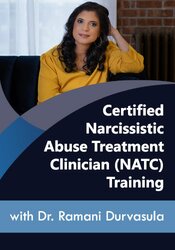
Certified Narcissistic Abuse Treatment Clinician (NATC) Training with Dr. Ramani Durvasula
Become a Certified Narcissistic Abuse Clinician! Join Dr. Ramani Durvasula, the world's most highly recognized narcissism expert, in this comprehensive training.

You May Also Be Interested In These Related Blog Posts


